
What would you change about your smile if the process felt comfortable, respectful, and completely personalized? For many patients, cosmetic dentistry is not about chasing perfection. Instead, it is about creating a smile that feels healthier, brighter, more balanced, and more like you. Whether you are interested in whitening, veneers, bonding, crowns, or a complete smile makeover, cosmetic dentistry can help improve the details that affect how your smile looks and feels.
At Family Dentistry of Forest Hill, cosmetic dentistry in West Palm Beach begins with a simple idea: every patient deserves to feel informed and supported. Some patients want a subtle refresh, while others want a more noticeable change. In addition, many patients have functional concerns, such as worn edges, chips, uneven spacing, or old dental work that no longer blends well. Because cosmetic dentistry can include several treatment options, the best plan starts with listening.
What Cosmetic Dentistry Can Improve
Cosmetic dentistry focuses on the appearance of the teeth and smile, but it often supports comfort and function as well. For example, a chipped tooth may affect appearance, but it can also feel rough against the tongue. Worn enamel may change the shape of the smile, but it may also make teeth more sensitive. Gaps or uneven edges may be cosmetic concerns, but they can influence how the bite comes together. Therefore, cosmetic dentistry is most effective when it considers the whole smile.
Common cosmetic dentistry goals include brightening tooth color, improving tooth shape, closing small spaces, covering deep stains, replacing old restorations, lengthening worn teeth, and creating better balance from one side of the smile to the other. In addition, cosmetic dentistry may help patients who want their smile to look more polished for professional events, family photos, weddings, or daily confidence.
However, no two smiles need the same solution. One patient may get excellent results from whitening alone. Another may need dental veneers to address shape and color together. Meanwhile, another patient may benefit from bonding, crowns, or a combination of treatments. A personalized plan helps match the treatment to the goal.
Popular Cosmetic Dentistry Options
Cosmetic dentistry includes a range of treatments, each designed for different concerns. Teeth whitening is often chosen by patients who want a brighter smile without changing tooth shape. Professional whitening can help lift many surface and deeper stains, especially when discoloration comes from coffee, tea, wine, tobacco, or natural aging. Although whitening is popular, it is not ideal for every type of discoloration. For instance, crowns, fillings, and veneers do not whiten the same way natural enamel does.
Dental bonding is another conservative cosmetic dentistry option. During bonding, tooth colored resin is shaped and polished to improve chips, small gaps, uneven edges, or minor discoloration. Because bonding usually preserves natural tooth structure, it can be a helpful choice for smaller changes. However, bonding may stain or wear more quickly than porcelain, so maintenance matters.
Veneers are thin restorations placed on the front of teeth to improve color, shape, size, and symmetry. They can be a strong option for patients who want a more complete transformation. In addition, porcelain crowns may be recommended when a tooth needs both cosmetic improvement and structural support. Since each option has different strengths, cosmetic dentistry works best when your dentist explains the pros, limitations, and maintenance needs of each treatment.
Why Smile Design Is About Balance
A beautiful smile is not based on one feature alone. Instead, it depends on balance between tooth color, gum shape, tooth length, facial features, lip movement, and bite. That is why cosmetic dentistry should never feel like a template. A shade that looks natural for one person may look too bright for another. A tooth shape that fits one smile may not fit another. Therefore, careful planning helps the final result feel natural.
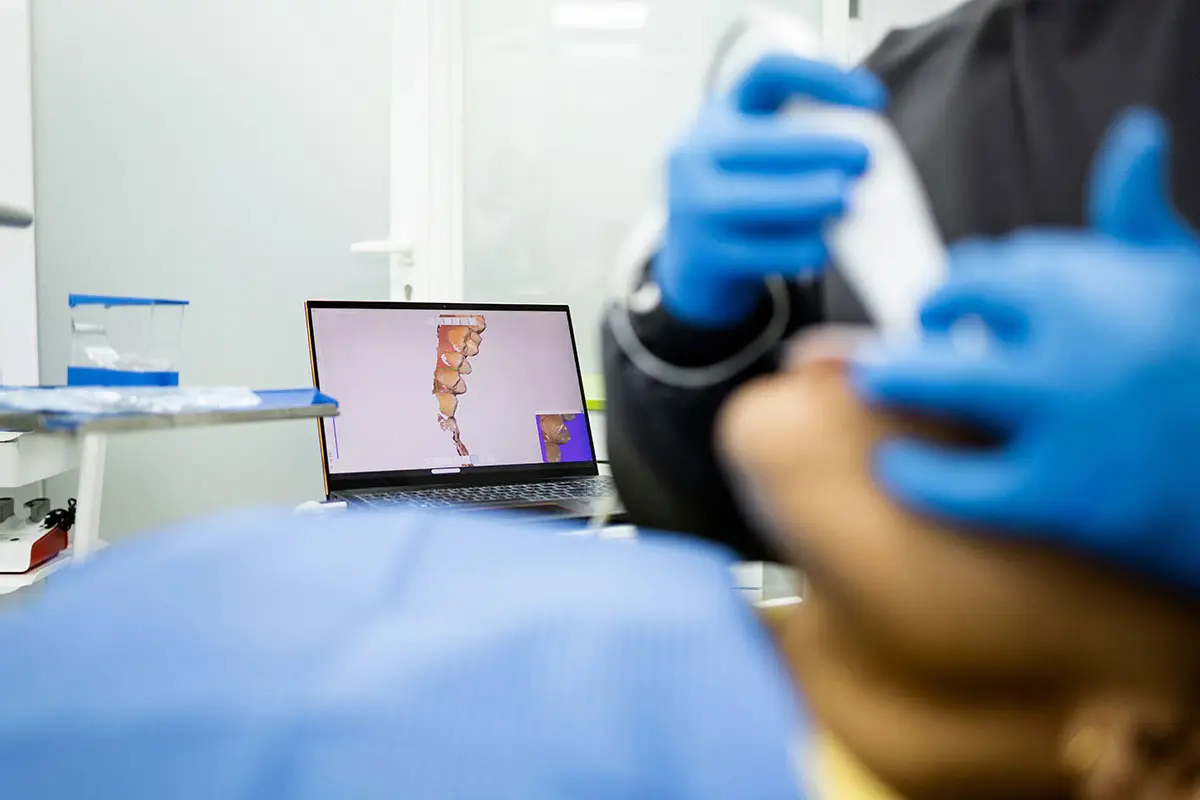
During a cosmetic dentistry consultation, your dentist may discuss the teeth that show when you smile, the way your upper and lower teeth meet, the width of your smile, and the condition of your gums. In addition, photos or digital imaging may be used to evaluate symmetry and proportions. This planning can help your dentist recommend treatment that enhances your smile without making it look artificial.
Good cosmetic dentistry also respects your comfort level. Some patients want friends and family to notice a dramatic difference. Others prefer a change so subtle that people simply think they look refreshed. Both goals are valid. Consequently, the conversation should include what you want others to notice, what you want to keep natural, and what timeline fits your life.
How Cosmetic Dentistry Can Support Confidence and Oral Health
The value of cosmetic dentistry often goes beyond the mirror. When teeth are smoother, cleaner looking, and better proportioned, patients may feel more comfortable smiling during everyday moments. In addition, certain cosmetic treatments can strengthen or protect teeth when they are planned for the right reasons. For example, a crown can improve the appearance of a damaged tooth while also protecting weakened structure. Veneers can cover worn or discolored enamel while creating a more uniform smile.
- Cosmetic dentistry can brighten teeth that look dull or stained.
- It can improve chips, uneven edges, and small spaces.
- It can help old dental work blend more naturally with surrounding teeth.
- It can create a more balanced smile while still looking like you.
- It can encourage better oral care because patients often feel more invested in their results.
Another benefit is clarity. Many people spend years wondering what is possible. A cosmetic dentistry consultation turns vague ideas into realistic options. Instead of guessing, you can learn which treatments fit your goals, which ones may not, and what order makes sense. As a result, the process feels more manageable.
Why Oral Health Comes First
Before beginning cosmetic dentistry, your dentist will check the health of your teeth and gums. This step is important because cosmetic results last longer when the foundation is healthy. If gum disease, cavities, cracked teeth, or bite issues are present, those concerns may need attention first. Although it may feel tempting to start with the visible changes, treating underlying problems can protect your investment.
For example, whitening teeth before treating cavities may increase sensitivity. Placing veneers when gums are inflamed can affect the final fit and appearance. Covering a cracked tooth without addressing bite pressure may lead to future complications. Therefore, cosmetic dentistry should be planned with both beauty and biology in mind.
Fortunately, this does not mean your goals need to be delayed for long. In many cases, the health phase is straightforward. A cleaning, filling, gum care visit, or nightguard may be all that is needed before cosmetic treatment begins. Then, your dentist can move forward with a safer, more predictable plan.
How to Choose the Right Cosmetic Dentistry Plan
The right cosmetic dentistry plan should fit your smile, budget, lifestyle, and long term expectations. Start by identifying what bothers you most. Is it color, shape, spacing, chips, uneven gumlines, or old dental work? Next, decide how dramatic you want the change to be. Then, discuss maintenance. Some treatments require more careful habits than others, especially for patients who drink staining beverages, grind their teeth, or bite their nails.
In addition, ask about the lifespan of each option. Whitening requires touch ups. Bonding may need repairs over time. Veneers and crowns can last for many years with proper care, but they still need routine dental visits. Because cosmetic dentistry is an investment, understanding maintenance helps you protect the result.
It is also helpful to ask whether treatments can be phased. For instance, you may start with whitening, then decide later whether bonding or veneers are needed. Or, you may restore the most visible teeth first and address other areas later. A flexible plan can make cosmetic dentistry feel more accessible.
Questions Patients Often Ask About Cosmetic Dentistry
Will cosmetic dentistry look natural?
Yes, natural looking results are possible when the plan is customized. Shade, shape, proportions, and facial features all guide the design so your smile feels balanced rather than overdone.
Is cosmetic dentistry painful?
Most cosmetic dentistry treatments are planned with patient comfort in mind. Some procedures require little to no numbing, while others may use local anesthesia. Your dentist can explain what to expect before treatment begins.
Can cosmetic dentistry fix several concerns at once?
Often, yes. Veneers, crowns, and smile makeover plans can address multiple details, such as color, shape, and spacing. However, the best option depends on your oral health and goals.
Choose a Smile Plan That Feels Like You
Cosmetic dentistry should feel personal, never pressured. With the right planning, you can explore changes that support a brighter, more balanced smile while still honoring your natural features. Whether you want a small improvement or a full smile transformation, a consultation can help you understand your options clearly.
Ready to explore cosmetic dentistry in West Palm Beach? Contact Us at Family Dentistry of Forest Hill or Call Us Today at (561) 781-7268 to Schedule a Consultation.