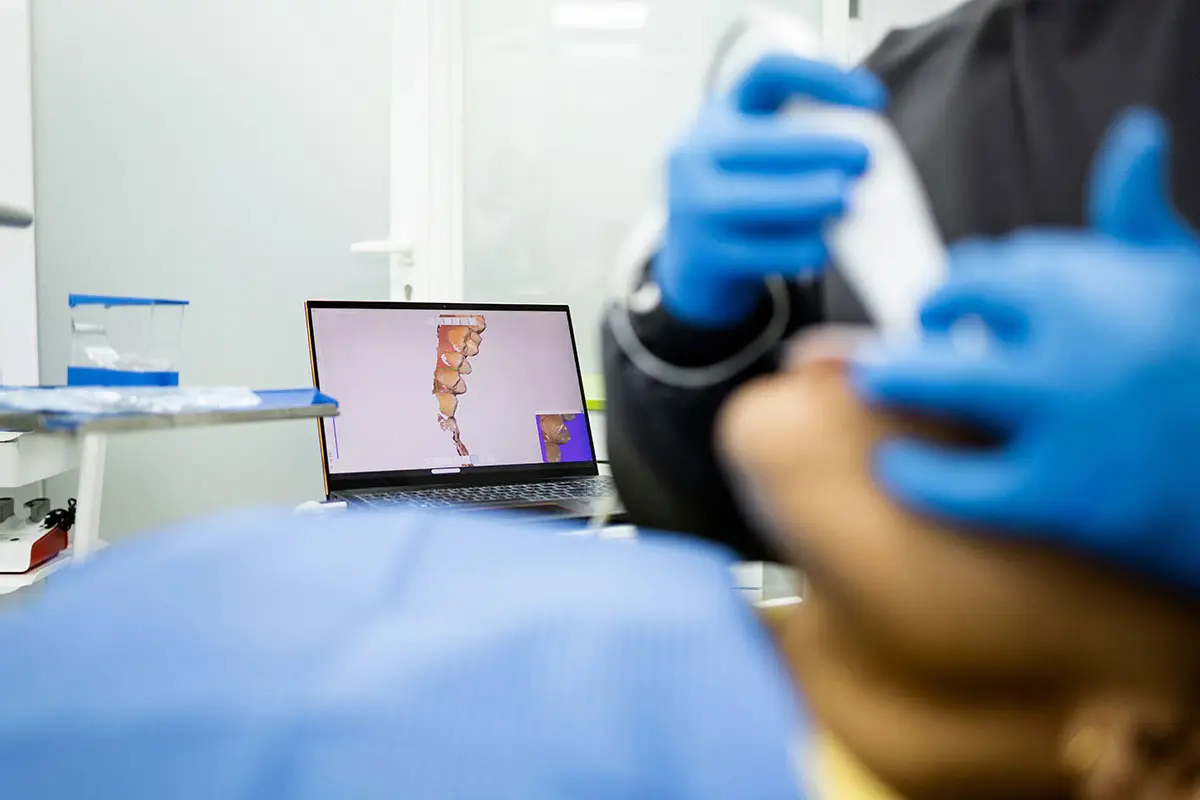

Preventive dentistry helps patients protect their teeth and gums before problems become painful or complex. Routine exams, cleanings, X-rays, and daily home care work together to support long-term oral health.
What if your best dental treatment is the one you never need because a problem was prevented early? That is the idea behind preventive dentistry. Through regular visits, personalized guidance, and daily habits, preventive dentistry helps patients reduce the risk of cavities, gum disease, enamel wear, and dental emergencies. At Family Dentistry of Forest Hill, general dentistry services support preventive care for patients throughout West Palm Beach.
Preventive dentistry is not only about checking a box twice a year. It is a practical approach to keeping your smile healthier over time. In addition, it gives your dentist a chance to identify small concerns before they become painful or expensive. Whether you are maintaining excellent oral health or trying to get back on track, preventive dentistry can help you move forward with confidence.
What Is Preventive Dentistry?
Preventive dentistry includes the services and habits that help protect teeth and gums before serious issues develop. This often includes dental exams, professional cleanings, digital X-rays when needed, fluoride recommendations, gum evaluations, oral hygiene coaching, cavity risk assessment, and guidance for habits such as grinding or clenching. In addition, preventive dentistry includes what you do at home every day.
The goal is simple. Instead of waiting until something hurts, preventive dentistry looks for early warning signs. For example, a dentist may find a small cavity before it reaches the nerve. A hygienist may notice gum inflammation before it becomes more advanced. X-rays may reveal bone changes or hidden decay. As a result, treatment can often be simpler and more conservative.
Preventive dentistry also helps patients understand their personal risks. Some people develop tartar quickly. Others are more prone to cavities because of dry mouth, diet, medications, or enamel shape. Some patients have heavy bite pressure that wears down teeth. When your dental team understands your risk factors, they can recommend care that fits you.
Why Prevention Is Better Than Waiting for Symptoms
Dental symptoms often appear after a problem has already progressed. A small cavity may not hurt until decay gets deeper. Gum disease may begin with mild bleeding but become more serious over time. A cracked tooth may feel fine until a piece breaks away. Because of this, waiting for pain can make treatment more involved.
Preventive dentistry helps reduce uncertainty. With routine exams and cleanings, your dentist can monitor your oral health and explain what is changing. If something needs attention, you can address it earlier. If everything looks stable, you gain reassurance. Either way, you leave with useful information.
In addition, preventive dentistry can help patients avoid sudden disruptions. A dental emergency can interfere with work, school, sleep, meals, and family plans. While not every emergency can be prevented, many urgent problems begin as smaller issues. Regular care makes it easier to catch those issues before they cause severe pain.
Benefits of Preventive Dentistry
- Preventive dentistry can help detect cavities, gum problems, and worn restorations early.
- It can reduce the risk of more complex treatment later.
- It supports fresher breath and cleaner teeth through routine cleanings.
- It helps patients understand their personal cavity and gum health risks.
- It supports long-term tooth preservation and bite stability.
- It gives patients practical guidance for better home care.
Another important advantage is control. Many patients feel anxious when they do not know what is happening with their teeth. Preventive dentistry replaces uncertainty with information. When you understand your oral health, it becomes easier to make decisions, schedule care, and maintain your smile between visits.
The Role of Dental Cleanings in Prevention
Professional dental cleanings are a key part of preventive dentistry. Even if you brush and floss well, plaque can harden into tartar in areas that are hard to reach. Tartar can irritate gums and create rough surfaces where bacteria collect. Once tartar forms, it cannot be removed with a toothbrush alone.
During a cleaning, the hygienist removes plaque and tartar, polishes the teeth, and helps identify areas that may need more attention at home. In addition, cleanings can remove some surface stains and help the mouth feel fresher. Patients often notice that their teeth feel smoother after a professional cleaning.
Cleanings also create an opportunity for education. Your hygienist may show you where plaque is collecting, suggest a different flossing tool, or recommend changes based on gum health. These small adjustments can help prevent future problems.
The Role of Exams and X-rays in Prevention
Dental exams and X-rays help your dentist see beyond the surface. A visual exam can reveal worn enamel, broken fillings, gum inflammation, and obvious cavities. However, X-rays can show concerns between teeth, under restorations, near roots, or in the bone. Together, exams and imaging provide a clearer picture.
This is especially important for early detection. If decay is found when it is small, a composite filling may be enough. If a crack is found early, the dentist may recommend a restoration before the tooth breaks further. If gum measurements show inflammation, the team can recommend care before bone support is affected more seriously.
Preventive dentistry is not about taking unnecessary images or recommending unnecessary treatment. Instead, it is about using the right information at the right time. Your dentist can explain which X-rays are recommended and why they matter for your situation.
Daily Habits That Support Preventive Dentistry
Home care is the foundation of prevention. Brushing twice a day helps remove plaque from the front, back, and chewing surfaces of teeth. Flossing once a day helps clean between teeth where toothbrush bristles cannot reach. In addition, fluoride toothpaste can help strengthen enamel and lower cavity risk.
Diet also affects oral health. Frequent snacking, sugary drinks, and acidic beverages can increase the risk of cavities and enamel wear. However, you do not need a perfect diet to protect your smile. Simple choices, such as drinking water, limiting constant sipping, and eating balanced meals, can make a difference.
Other habits matter too. If you grind your teeth, a nightguard may help protect enamel and dental work. If you play sports, a mouthguard can reduce injury risk. If you have dry mouth, your dentist may recommend strategies to support saliva flow. Preventive dentistry works best when it is personalized to your life.
Preventive Dentistry for Different Ages
Preventive needs change throughout life. Children may need guidance on brushing, fluoride, diet, and early cavity prevention. Teens may need support with orthodontic appliances, sports mouthguards, wisdom tooth monitoring, and snack habits. Adults may focus on gum health, restorations, whitening goals, and tooth wear. Seniors may need care for dry mouth, replacement teeth, gum changes, and medication-related concerns.
Because oral health changes over time, regular visits help your dental team adjust recommendations. A routine that worked five years ago may need small updates today. For example, a new medication can cause dry mouth, increasing cavity risk. A new bridge or implant may require different cleaning tools. Preventive dentistry helps keep your care current.
At Family Dentistry of Forest Hill, prevention is designed to be practical and approachable. The goal is to help patients protect their smiles without feeling overwhelmed.
Questions Patients Often Ask About Preventive Dentistry
Is preventive dentistry only for people with dental problems?
No. Preventive dentistry is for everyone. It helps healthy patients stay healthy and helps patients with concerns manage risks before problems become more serious.
How often should I schedule preventive dental visits?
Many patients schedule visits every six months, but some need more frequent care based on gum health, cavity risk, tartar buildup, dry mouth, or medical factors.
Can preventive dentistry save money over time?
It can help reduce the likelihood of more complex treatment by finding and addressing concerns earlier. However, every patient’s needs are different, so your dentist can explain your specific risks.
Build a Healthier Routine for Your Smile
Preventive dentistry helps you care for your smile before pain or damage takes over. With regular cleanings, thorough exams, appropriate X-rays, and consistent home care, you can protect your teeth and gums with more confidence.
Ready to schedule preventive dentistry in West Palm Beach? Contact Us at Family Dentistry of Forest Hill or Call Us Today at (561) 585-5891 to Schedule a Consultation.