When one tooth is missing, the whole smile can feel different. Chewing may change, nearby teeth may begin to shift, and speaking or smiling may feel less natural. Fortunately, dental bridges can offer a reliable way to replace missing teeth and restore balance. A dental bridge fills the open space with a custom replacement tooth that is supported by neighboring teeth or dental implants.
At Family Dentistry of Forest Hill, patients in West Palm Beach often ask about dental bridges when they want a fixed tooth replacement option. Unlike a removable partial denture, a traditional bridge stays in place. In addition, a bridge can restore chewing support and help maintain the shape of your smile. Because missing teeth can affect more than appearance, it is helpful to understand how dental bridges work and when they may be recommended.
What Is a Dental Bridge?
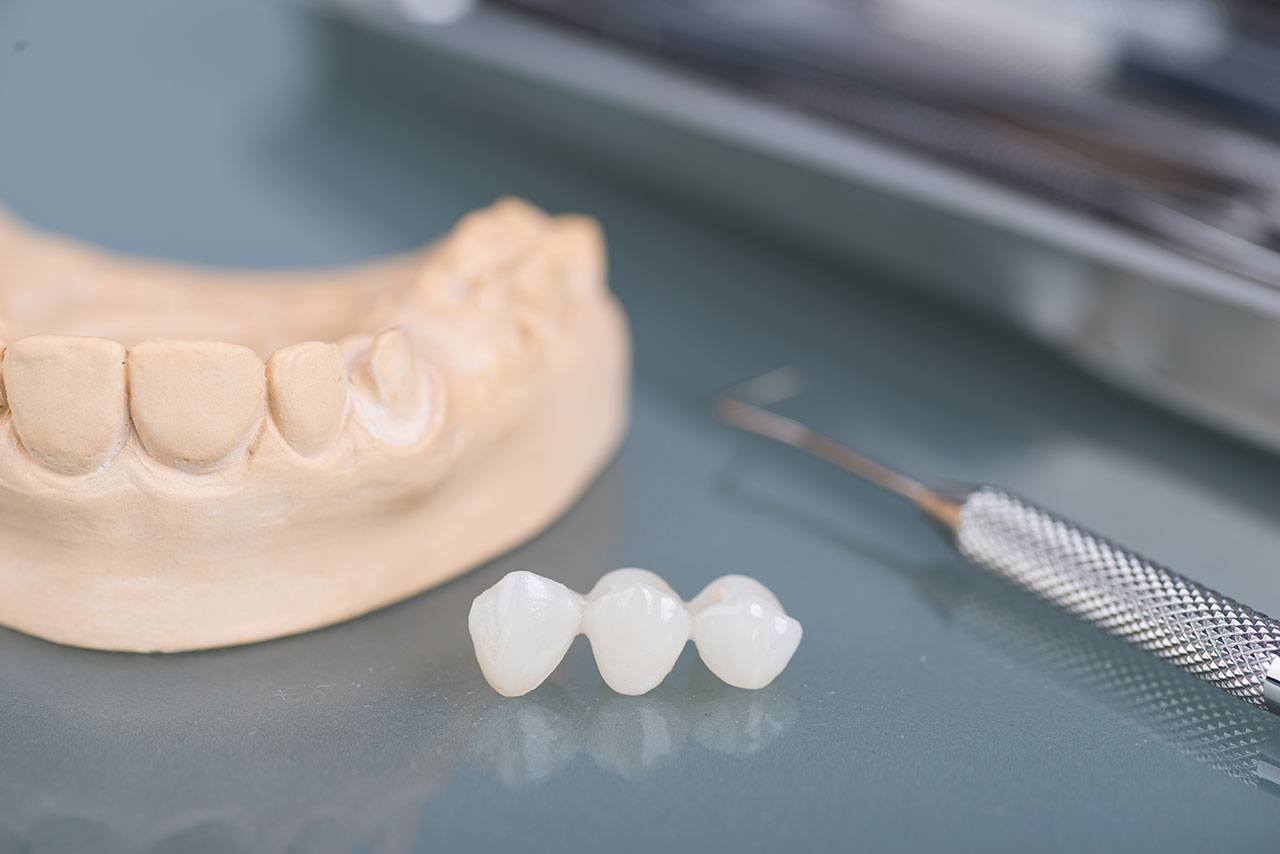
A dental bridge is a restoration that replaces one or more missing teeth. The replacement tooth is called a pontic, and it fills the space left by the missing tooth. In a traditional dental bridge, crowns are placed on the teeth next to the gap, and those crowns support the replacement tooth in the middle. The result is a fixed restoration that does not need to be removed for daily wear.
Dental bridges can be made from materials designed to look natural and handle everyday chewing. Your dentist will consider the location of the missing tooth, the health of surrounding teeth, your bite, and your cosmetic goals before recommending a bridge design. In some cases, a bridge may be supported by dental implants instead of natural teeth. Therefore, your treatment plan should be personalized.
A dental bridge can replace a visible front tooth or a back tooth used for chewing. However, the best option depends on the condition of the neighboring teeth. If those teeth already need crowns, a traditional bridge may make excellent sense. If the neighboring teeth are completely healthy, your dentist may also discuss alternatives such as dental implants.
Why Replacing a Missing Tooth Matters
A missing tooth can create changes that develop slowly. Nearby teeth may tilt or drift toward the empty space. Opposing teeth may move because they no longer have a tooth to bite against. In addition, chewing pressure may shift to other areas, which can place extra stress on remaining teeth. Over time, these changes can affect comfort and bite stability.
Missing teeth can also influence diet. If chewing becomes difficult, patients may avoid crisp fruits, vegetables, nuts, or other foods they once enjoyed. In addition, a gap in the smile can make some patients feel less relaxed during conversations. A dental bridge helps address these concerns by filling the space with a stable replacement tooth.
Because tooth replacement options vary, it is helpful to talk with your dentist soon after tooth loss. The sooner you understand your options, the easier it may be to preserve spacing and plan care. However, even if the tooth has been missing for years, a consultation can still provide valuable answers.
How Dental Bridges Support Comfort and Confidence
Dental bridges can improve daily function because they replace the biting surface of a missing tooth. This can make chewing feel more balanced. In addition, a bridge can help prevent nearby teeth from shifting into the open space. When the bridge is shaped and shaded carefully, it can also blend with the natural smile.
- Dental bridges can replace one or more missing teeth.
- They can restore chewing support and bite balance.
- They can help reduce shifting of nearby teeth.
- They can improve the appearance of gaps in visible areas.
- They are fixed in place, so they do not need to be removed for daily wear.
Another important advantage is convenience. Because a traditional bridge is not removable, patients often find it easier to adapt to than an appliance that must be taken in and out. In addition, the bridge can be cleaned as part of a daily routine with the right tools. Your dental team can show you how to clean underneath the replacement tooth and around the supporting crowns.
Types of Dental Bridges
There are several types of dental bridges. A traditional fixed bridge is the most common design. It uses crowns on the neighboring teeth to support the replacement tooth. This option may be recommended when the teeth next to the gap are strong enough to act as anchors and would benefit from crowns or can safely support them.
A cantilever bridge may be used in selected cases when support is available on only one side of the gap. However, this option is not appropriate for every area of the mouth because chewing forces can be significant. A Maryland bridge, sometimes called a resin-bonded bridge, uses wings bonded to nearby teeth. It is more commonly considered for certain front tooth situations.
Implant-supported bridges are another option when multiple teeth are missing. Instead of relying on natural teeth for support, dental implants act as anchors. This can be useful when several teeth are missing in a row or when neighboring teeth are not ideal bridge supports. Since each type has different strengths, your dentist will recommend the option that best fits your mouth.
What to Expect During the Dental Bridge Process
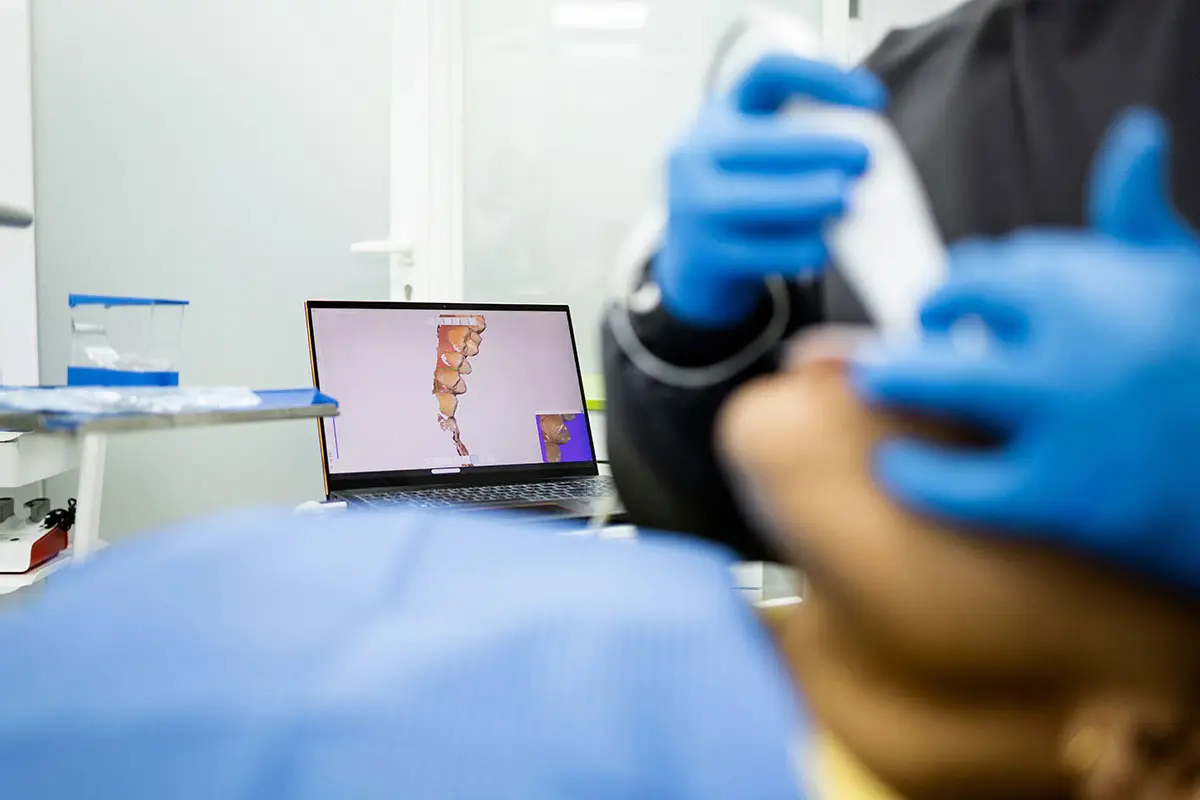
The bridge process begins with an exam, X-rays, and a conversation about your goals. Your dentist checks the missing tooth area, gum health, supporting teeth, and bite. If a traditional bridge is recommended, the anchor teeth are prepared for crowns. Then, impressions or digital scans are taken so the dental lab can create a bridge that fits your smile.
A temporary bridge may be placed while the final restoration is made. This helps protect the prepared teeth and maintain appearance during the waiting period. However, temporary bridges require gentle care. You may be asked to avoid sticky foods, hard foods, or chewing directly on the temporary restoration.
At the final visit, your dentist removes the temporary bridge and checks the custom bridge for fit, bite, and appearance. Adjustments are made as needed before it is cemented in place. After the bridge is placed, it may take a short time to adjust to the feel of the new restoration. If your bite feels off, your dentist can make small refinements.
How to Care for a Dental Bridge
Caring for a dental bridge requires daily cleaning around and underneath the restoration. Although the replacement tooth cannot get a cavity, the supporting teeth and gums still need protection. Your dental team may recommend floss threaders, special bridge floss, interdental brushes, or a water flosser to clean under the pontic.
Brush twice daily and keep regular dental cleanings. In addition, avoid chewing ice, hard candy, or non food items, because these habits can damage bridges and natural teeth. If you grind your teeth, a nightguard may be recommended to protect the bridge from excess force.
Good home care helps extend the life of a dental bridge. If plaque collects around the supporting teeth, cavities or gum inflammation can develop. Therefore, maintenance is just as important as the original treatment. Regular exams also allow your dentist to check the bridge and address small concerns early.
Dental Bridges Compared With Other Tooth Replacement Options
Dental bridges are not the only way to replace missing teeth. Dental implants, partial dentures, and implant-supported restorations may also be considered. A dental implant replaces the tooth root and supports a crown, while a partial denture is removable. Each option has advantages depending on bone support, budget, timeline, health, and personal preferences.
A dental bridge may be a good fit when the neighboring teeth need crowns, when a fixed option is preferred, or when implant treatment is not ideal. However, an implant may be preferred when preserving neighboring tooth structure is a priority. Meanwhile, a partial denture may replace several missing teeth at a lower initial cost. Because there is no single best answer for every patient, a consultation is the best way to compare options.
At Family Dentistry of Forest Hill, the goal is to explain choices clearly so patients can make informed decisions. Tooth replacement should restore function, support oral health, and fit your everyday life.
Questions Patients Often Ask About Dental Bridges
How long does a dental bridge last?
The lifespan of a dental bridge depends on oral hygiene, bite pressure, supporting tooth health, diet, and regular dental care. With proper maintenance, many bridges last for years.
Can I eat normally with a dental bridge?
Yes, once the bridge is fully placed and adjusted, most patients return to normal eating. However, avoiding very hard or sticky foods can help protect the restoration.
Is a dental bridge removable?
A traditional dental bridge is fixed in place and is not removed daily. Your dentist can explain how to clean around it with special flossing tools.
Restore the Space With a Stable Solution
Dental bridges can help replace missing teeth, restore chewing support, and bring balance back to your smile. With careful planning and proper maintenance, a bridge can be a dependable option for patients who want a fixed restoration.
Ready to explore dental bridges in West Palm Beach? Contact Us at Family Dentistry of Forest Hill or Call Us Today at (561) 781-7268 to Schedule a Consultation.