
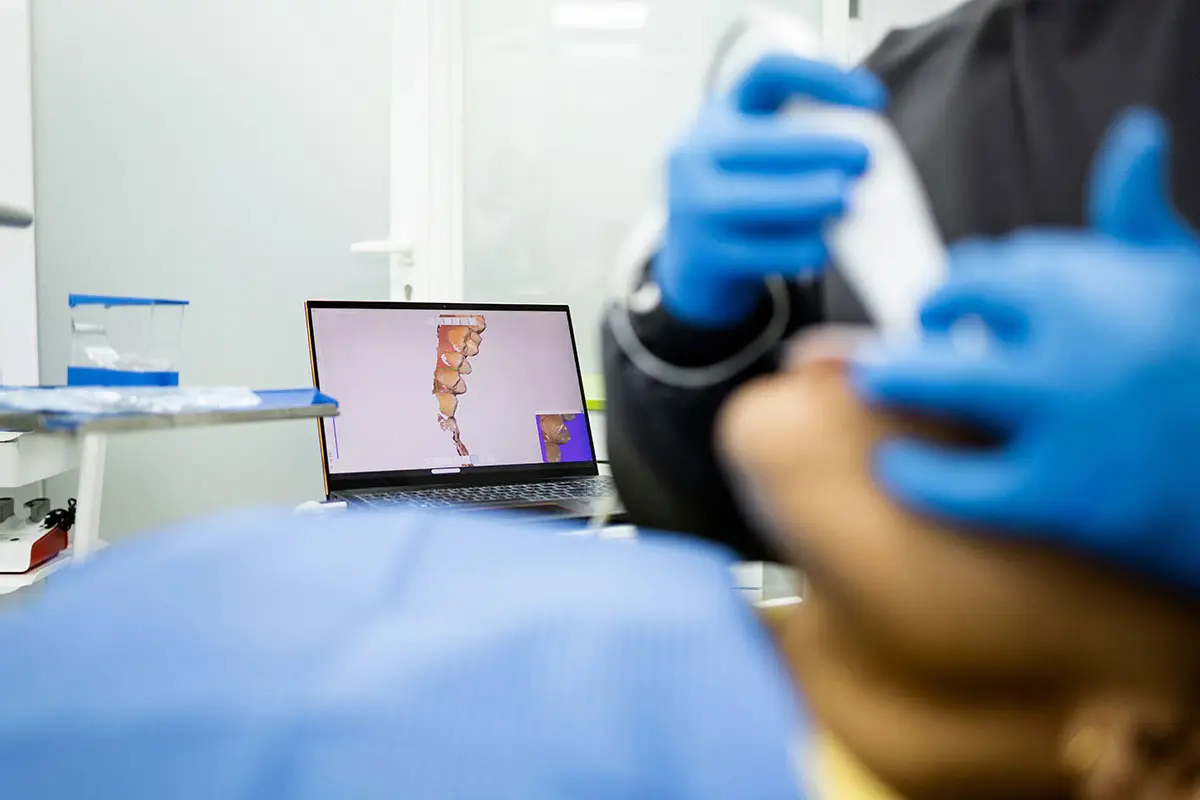
When your smile feels fine, it can be easy to postpone a dental visit. However, dental exams and X-rays help identify concerns that may not cause symptoms yet, giving your dentist a clearer view of your teeth, gums, and overall oral health.
Have you ever wondered what your dentist can see during a routine checkup that you cannot see at home? Even if your teeth look healthy in the mirror, small problems can begin between teeth, under old dental work, or near the roots where they are not visible. That is why dental exams and X-rays are such an important part of maintaining a healthy smile in West Palm Beach.
At Family Dentistry of Forest Hill, dental exams and X-rays are designed to give patients helpful answers, not stress. These visits allow your dental team to check for tooth decay, gum concerns, bite changes, bone loss, infections, worn restorations, and other issues that may need attention. In addition, regular exams create a record of your oral health over time, which makes it easier to spot changes early.
Why Dental Exams and X-rays Matter
Dental problems often start quietly. A small cavity may not hurt. Gum inflammation may seem minor at first. A cracked filling may not feel different right away. However, if these concerns are not found early, they can become more uncomfortable and more complicated. Dental exams and X-rays help your dentist detect warning signs before they turn into bigger problems.
During a visual dental exam, your dentist checks the teeth, gums, tongue, cheeks, jaw, bite, and existing dental work. This includes looking for signs of cavities, gum disease, tooth wear, broken fillings, oral irritation, and other changes. However, some areas cannot be seen with the eyes alone. X-rays help reveal what is happening below the surface, including decay between teeth, bone changes, impacted teeth, dental infections, and root concerns.
Because every patient is different, dental exams and X-rays should be personalized. A patient with a history of frequent cavities may need different monitoring than someone with low decay risk. Meanwhile, a patient with gum disease, older crowns, dental implants, or tooth pain may need more detailed imaging. Your dentist can explain why certain images are recommended and how they support your care.
What Happens During a Dental Exam?
A dental exam usually begins with a conversation. Your dental team may ask if you have noticed sensitivity, bleeding gums, jaw discomfort, headaches, tooth pain, dry mouth, or changes in your bite. In addition, they may review your medical history and medications because overall health can affect oral health. This conversation helps guide the rest of the appointment.
Next, your dentist examines your teeth and gums. They may use a small mirror and dental instruments to check tooth surfaces, gum tissue, and areas around existing fillings, crowns, or bridges. Your bite may also be evaluated to see whether certain teeth are receiving extra pressure. If you grind or clench, the dentist may notice flattened edges, tiny cracks, or soreness in the jaw muscles.
Gum measurements may be taken to evaluate the spaces around your teeth. Healthy gums fit snugly, while deeper pockets can suggest inflammation or bone support concerns. This information helps your team decide whether a routine cleaning is enough or whether additional gum care may be needed.
How Dental X-rays Support Early Diagnosis
Dental X-rays are diagnostic images that help the dentist see areas hidden from view. They can show cavities between teeth, bone levels around roots, impacted teeth, infections, and changes near previous dental work. In many cases, X-rays make it possible to find problems before they cause pain.
For example, a cavity between two back teeth may not be visible during a visual exam. However, an X-ray can show the decay while it is still small enough for a conservative restoration. Similarly, bone loss from gum disease can develop gradually. X-rays help your dentist monitor these changes and recommend care when needed.
Dental X-rays are not necessarily taken at every appointment. The timing depends on your age, symptoms, dental history, cavity risk, gum health, and previous imaging. If you are unsure why X-rays are recommended, ask your dentist to explain what they are checking. A good dental visit should help you understand your care, not leave you guessing.
Benefits of Dental Exams and X-rays
- They help detect cavities before they become painful or more difficult to repair.
- They allow your dentist to monitor gum health and bone support over time.
- They can reveal hidden infections, impacted teeth, or root concerns.
- They help evaluate old fillings, crowns, bridges, and other dental work.
- They give patients a clearer understanding of their current oral health.
- They support personalized treatment planning instead of one-size-fits-all care.
Another important advantage is peace of mind. Many patients feel relieved after learning that their smile is stable, or that a small issue can be treated early. In addition, dental exams and X-rays help your dentist explain priorities. If several concerns are found, the team can help you understand what should be handled first and what can be monitored.
How Often Should You Schedule Dental Exams and X-rays?
Many patients benefit from routine dental exams about twice a year. However, your personal schedule may vary. If you have a history of gum disease, frequent cavities, dry mouth, diabetes, heavy tartar buildup, or ongoing dental treatment, your dentist may recommend more frequent visits. In contrast, someone with excellent oral health and low risk may follow a different plan.
X-ray frequency also depends on need. New patients often need updated images so the dentist can understand their full oral health picture. Existing patients may need bitewing X-rays at routine intervals to check for cavities between teeth. Additional images may be recommended if you have pain, swelling, trauma, or a tooth that needs treatment.
It is also important to schedule an exam when something changes. Tooth sensitivity, bleeding gums, jaw pain, a loose filling, bad taste, swelling, or persistent bad breath should not be ignored. Even if symptoms come and go, they can point to an underlying issue. Therefore, a timely exam can help prevent uncertainty and discomfort.
What Dental Exams Can Reveal About Whole-Mouth Health
Your mouth is connected to your daily comfort in many ways. Teeth help you chew, gums support your teeth, and your bite affects jaw muscles and restorations. Dental exams and X-rays help your dentist look at these systems together. Instead of focusing only on one tooth, the team can evaluate how your entire smile is functioning.
For example, a worn filling may seem like a minor issue, but it can allow bacteria to collect around the edges. A small crack may become more serious if the bite places extra pressure on that tooth. Gum inflammation may affect breath, comfort, and tooth support. By checking the full picture, your dentist can recommend care that supports long-term stability.
Routine exams are also helpful for patients considering cosmetic or restorative treatment. Before whitening, veneers, crowns, implants, or bridges, your dentist needs to confirm that the teeth and gums are healthy enough for treatment. Dental exams and X-rays create that foundation.
Questions Patients Often Ask About Dental Exams and X-rays
Do I need X-rays if nothing hurts?
Yes, you may still need X-rays because many dental problems do not cause pain at first. X-rays can reveal hidden cavities, bone changes, infections, and other concerns before symptoms appear.
Are dental exams only for cavities?
No. Dental exams also check gum health, bite balance, oral tissues, existing restorations, tooth wear, jaw comfort, and overall smile function.
How long does a dental exam take?
The length depends on your needs, whether X-rays are taken, and whether a cleaning is included. Your dental team can explain what to expect when you schedule.
Stay Informed About Your Smile
Dental exams and X-rays help you stay ahead of oral health concerns by making hidden problems easier to find and understand. With routine care, you can protect your teeth, support your gums, and make confident choices about treatment when it is needed.
Ready to schedule dental exams and X-rays in West Palm Beach? Contact Us at Family Dentistry of Forest Hill or Call Us Today at (561) 585-5891 to Schedule a Consultation.