Dental Implants: A Complete Guide to Restoring Your Smile
Missing teeth can affect more than just your appearance. They can change how you eat, speak, and feel about yourself. Dental Implants are one of the most effective long-term solutions for replacing missing teeth. At Family Dentistry of Forest Hill, our dental team is dedicated to helping patients understand their options. This guide covers everything you need to know about implants before making a decision.
What Are Dental Implants?
A dental implant is a small titanium post. It is surgically placed into the jawbone beneath the gum line. This post acts as an artificial tooth root. Over time, it fuses with the bone through a process called osseointegration. Once healed, a crown is attached on top. The result is a tooth replacement that looks and functions like a natural tooth. Implants are considered a permanent solution for most patients.
Unlike dentures, implants do not slip or shift. Unlike bridges, they do not require altering nearby healthy teeth. They stand independently in the jaw. This makes them a structurally superior option for many patients. They also help preserve the jawbone, which can deteriorate after tooth loss. Bone preservation is one of the most important long-term benefits of choosing implants.
Who Is a Good Candidate for Dental Implants?
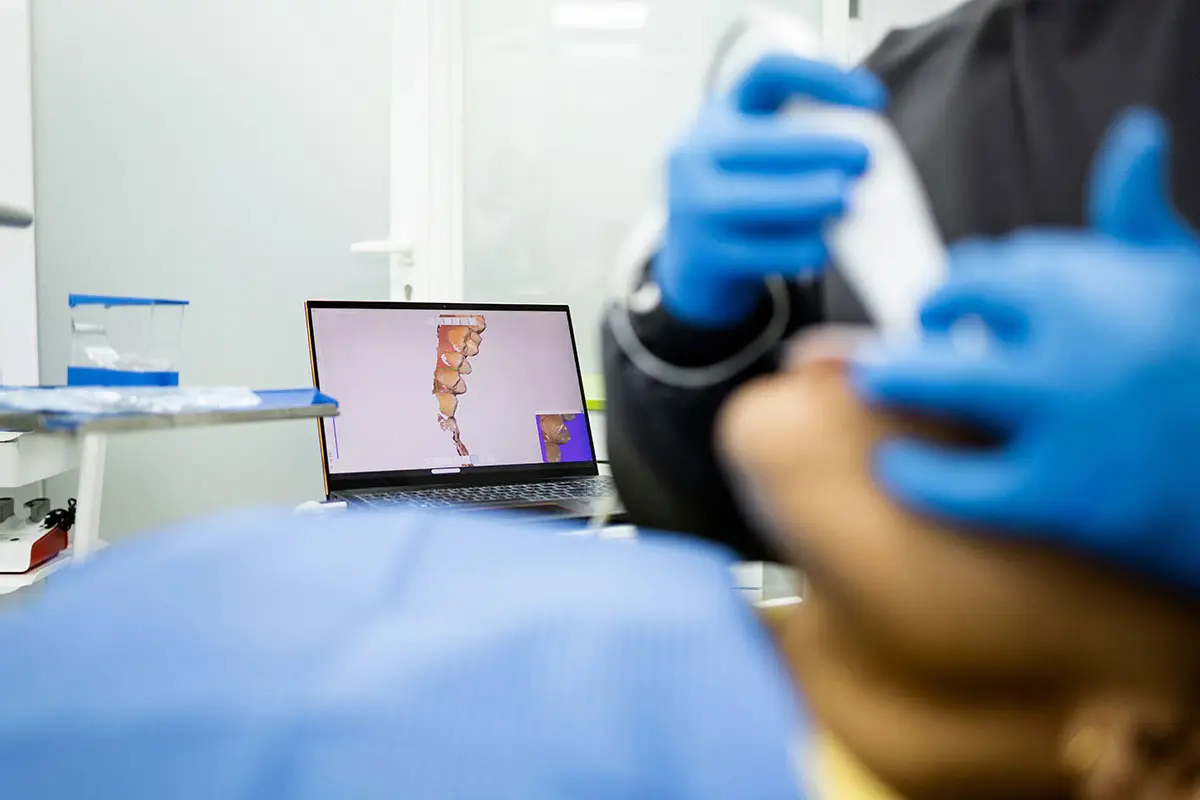
Most healthy adults are candidates for dental implants. However, certain conditions must be evaluated first. Adequate bone density is essential to support the implant post. Patients with significant bone loss may need a bone graft procedure beforehand. Our dental team will assess your bone structure through X-rays or 3D imaging during your consultation.
Good gum health is also important. Active gum disease must be treated before implant placement. Certain health conditions, like uncontrolled diabetes, can affect healing. Smoking can also slow the healing process and reduce implant success rates. Being honest about your health history helps our team plan the safest and most effective treatment for you.
The Dental Implant Process Step by Step
The implant process takes place over several months. Each stage is important for long-term success. The first step is a comprehensive evaluation. Our dental team reviews your oral health, takes imaging, and creates a customized treatment plan. This planning phase ensures precision during placement.
Next, the titanium post is surgically placed into the jawbone. This is done under local anesthesia. Most patients report minimal discomfort during the procedure. After placement, a healing period of three to six months follows. During this time, the implant fuses with the bone. Once healed, an abutment is attached to the post. Finally, a custom-made crown is secured on top. The crown is matched to the color and shape of your natural teeth.
Benefits of Choosing Dental Implants
Dental implants offer many advantages over other tooth replacement options. They look, feel, and function like natural teeth. Patients can eat their favorite foods without worry. Speech is not affected the way it can be with removable dentures. Implants also eliminate the need for adhesives or removal at night.
From a health perspective, implants help maintain jawbone structure. When a tooth is lost, the bone beneath it begins to shrink over time. Implants stimulate the bone just like natural tooth roots do. This prevents the sunken facial appearance that can occur with long-term tooth loss. Additionally, implants do not put pressure on neighboring teeth, which protects your overall oral health.
Implants are also built to last. With proper care, they can last a lifetime. Regular brushing, flossing, and dental checkups are all that is needed to maintain them. This makes them a highly cost-effective solution over the long term. Learn more about our full range of dental services to see how we can support your oral health goals.
Caring for Your Dental Implants
Caring for implants is simple. You treat them much like your natural teeth. Brush twice daily with a soft-bristled toothbrush. Floss around the implant at least once a day. Use a low-abrasive toothpaste to avoid scratching the crown surface. An antibacterial mouthwash can also help keep the area clean.
Routine dental visits are essential. Our dental team will monitor the implant and surrounding tissue at each visit. Early detection of any issues ensures quick resolution. Avoid chewing hard objects like ice or pens, as these can damage the crown. If you grind your teeth at night, let our team know. A custom night guard can protect your implant investment.
How Dental Implants Compare to Other Tooth Replacement Options
There are several ways to replace a missing tooth. The three most common options are implants, bridges, and dentures. Each has its own advantages and limitations. Understanding the differences helps you make an informed choice with your dental team.
Bridges are fixed restorations, but they require grinding down adjacent healthy teeth. They do not preserve bone beneath the missing tooth. Dentures are removable and can be less comfortable for daily activities. They may also require adjustments over time as the jawbone changes shape. Dental Implants avoid these drawbacks. They are self-supporting, bone-preserving, and long-lasting. For eligible patients, they are often the most comprehensive solution available. Visit our about page to learn more about how our team approaches patient care.
Conclusion
Dental implants are a proven, long-term solution for replacing missing teeth. They preserve bone, restore function, and look completely natural. The process requires patience, but the results are worth it. Our dental team at Family Dentistry of Forest Hill is here to guide you through every step. We believe every patient deserves a complete, healthy smile. Learn More about how we can help you.
Frequently Asked Questions
Are Dental Implants painful to get?
The procedure is performed under local anesthesia, so most patients feel little to no pain during placement. Some soreness and swelling may occur in the days following surgery. Over-the-counter pain relievers are usually sufficient to manage discomfort. Our dental team will provide detailed aftercare instructions to help you recover comfortably.
How long does the dental implant process take?
The full process typically takes between three and nine months. This includes the healing period after the implant post is placed. The actual surgical steps are relatively quick. Most of the timeline involves waiting for the implant to properly fuse with the jawbone before the crown is attached.
Can Dental Implants fail?
Implant failure is rare but possible. Factors like smoking, poor oral hygiene, and certain medical conditions can increase the risk. Infection and inadequate bone density are also contributing factors. Following your dental team’s aftercare instructions and attending regular checkups significantly reduces the likelihood of complications.
Is there an age requirement for Dental Implants?
Implants are generally recommended for adults whose jawbones have fully developed. This typically occurs in the late teens or early twenties. There is no upper age limit for implants. Older adults in good health are often excellent candidates. Our dental team evaluates each patient individually to determine the best timing.
How do I know if I need a bone graft before getting an implant?
A bone graft is needed when there is insufficient bone density to support the implant post. This is determined through dental X-rays or 3D imaging during your evaluation. Bone loss can occur due to tooth extraction, gum disease, or prolonged tooth absence. Our team will explain all necessary steps before beginning your implant treatment.