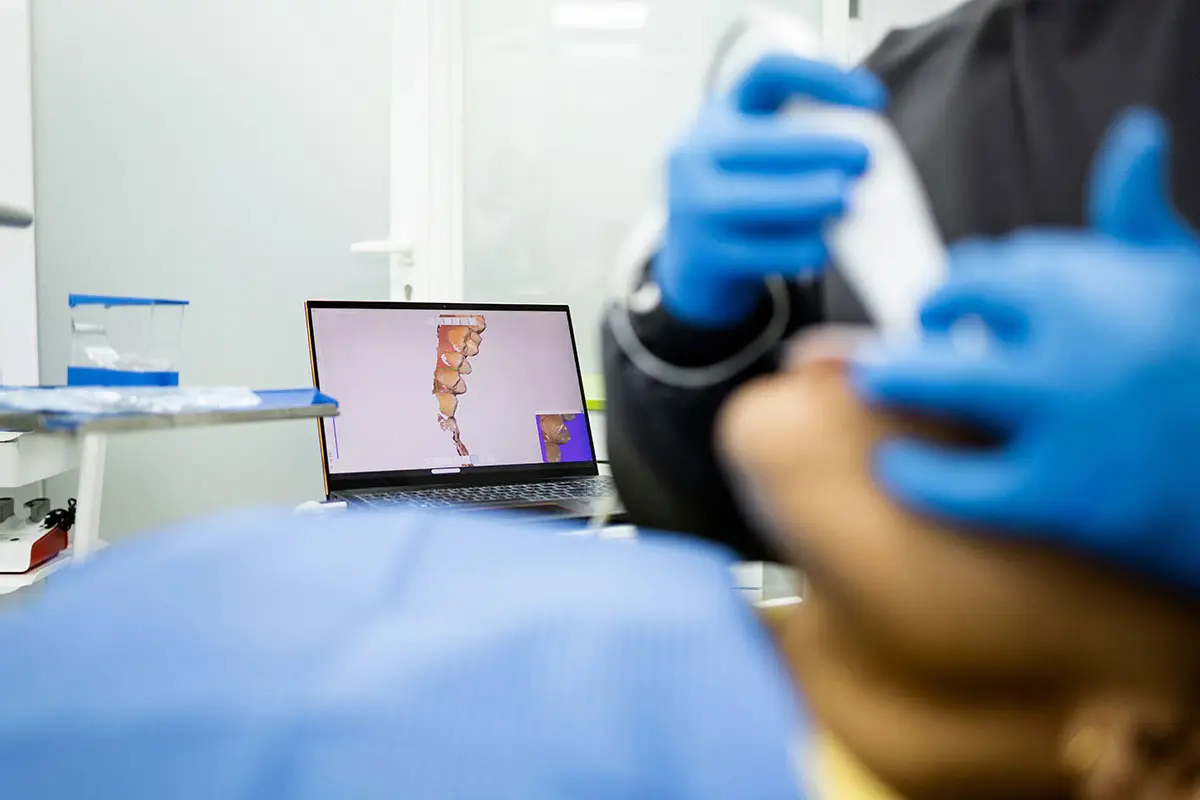

No one wants to hear that a tooth may need to be removed. However, there are times when tooth extractions are the safest way to relieve pain, stop infection, and protect the rest of the smile. When a tooth is too damaged to repair, removing it can create a healthier path forward and open the door to replacement options when needed.
At Family Dentistry of Forest Hill, tooth extractions in West Palm Beach are approached with clear communication and patient comfort in mind. Your dentist will first evaluate whether the tooth can be saved. If a filling, crown, or root canal therapy can predictably restore the tooth, that may be discussed. However, if the tooth cannot be repaired safely, an extraction may be recommended to protect your oral health.
When Tooth Extractions May Be Needed
Tooth extractions may be recommended for several reasons. Severe decay is one common cause. When decay destroys too much tooth structure, there may not be enough healthy enamel and dentin left to support a restoration. In addition, deep infection can weaken the tooth and surrounding bone. If root canal therapy is not a predictable option, extraction may be the healthiest choice.
Cracked teeth can also require removal. Some cracks are repairable with crowns or other restorations. However, a crack that extends below the gumline or into the root may make the tooth unstable. In these cases, keeping the tooth may lead to ongoing pain, infection, or repeated treatment.
Advanced gum disease is another reason tooth extractions may be needed. Gum disease can damage the bone and tissues that hold teeth in place. When a tooth becomes very loose and cannot be stabilized, removal may help reduce infection and discomfort. Tooth extractions may also be needed for impacted teeth, overcrowding, orthodontic planning, or preparation for certain dental treatments.
How Your Dentist Decides Whether a Tooth Can Be Saved
A recommendation for extraction should always be based on diagnosis. Your dentist examines the tooth, checks gum support, reviews dental images, and considers your symptoms. In addition, the team looks at how the tooth fits into your bite and whether it can be restored in a way that lasts. This process helps avoid unnecessary treatment and gives you a clear reason behind the recommendation.
For example, a painful tooth may be saved with root canal therapy if the root structure is strong and a crown can protect it afterward. A tooth with a cavity may only need a composite filling if the decay is limited. However, if a tooth has severe structural loss, uncontrolled infection, or poor bone support, extraction may be more predictable.
Patients should feel comfortable asking questions. You can ask why the tooth cannot be saved, what alternatives exist, what the extraction involves, and what replacement options may be available later. A clear discussion can help reduce anxiety and make the process feel more manageable.
How Tooth Extractions Can Protect Oral Health
Although removing a tooth may sound like a setback, tooth extractions can play an important protective role when a tooth is causing harm. If an infected tooth is left untreated, discomfort may worsen and infection may spread. If a broken tooth remains in place, it may irritate the gums or trap bacteria. Removing the problem tooth can help create a cleaner, healthier environment for healing.
- Tooth extractions can relieve pain from teeth that cannot be repaired.
- They can help stop infection from worsening when a tooth is not restorable.
- They can remove broken or damaged teeth that trap bacteria.
- They can support orthodontic or restorative treatment plans in selected cases.
- They can prepare the mouth for tooth replacement options when appropriate.
Another benefit is planning. Once the unhealthy tooth is removed, your dentist can discuss how to restore the space if replacement is needed. Depending on your goals and oral health, options may include a dental implant, bridge, or partial denture. Therefore, an extraction can be part of a larger plan to rebuild comfort and function.
What to Expect During a Tooth Extraction
Before the procedure begins, the area around the tooth is numbed with local anesthesia. Your dentist will make sure you feel pressure rather than sharp pain. If the tooth is visible and straightforward to remove, the dentist gently loosens it and removes it from the socket. If the tooth is broken, impacted, or difficult to access, a more involved approach may be needed.
After the tooth is removed, gauze is placed over the site to help a blood clot form. This clot is an important part of healing because it protects the socket. Your dental team will explain how long to bite on the gauze, what foods to eat, and which activities to avoid. In addition, you will receive instructions for brushing, rinsing, and managing discomfort.
Most patients can return to normal routines soon, although the exact recovery depends on the tooth and procedure. Some soreness and swelling can be expected. However, following aftercare instructions helps reduce the risk of complications and supports a smoother recovery.
Aftercare Tips for a Smoother Recovery
After tooth extractions, protecting the blood clot is one of the most important parts of healing. Avoid drinking through a straw, spitting forcefully, smoking, or vigorous rinsing during the early healing period unless your dentist gives different instructions. These actions can disturb the clot and delay healing.
Choose soft foods at first, such as yogurt, scrambled eggs, applesauce, mashed potatoes, soup that is not too hot, and smoothies eaten with a spoon. In addition, avoid crunchy, spicy, or hard foods until the area feels more comfortable. Drink plenty of water and follow medication instructions carefully.
Keep your mouth clean, but be gentle around the extraction site. Your dentist may recommend warm salt water rinses after the first day. If bleeding increases, swelling worsens, pain becomes severe, or you notice signs of infection, call the office. Prompt guidance can help prevent a small concern from becoming a bigger issue.
Replacing a Tooth After Extraction
Not every extracted tooth needs replacement, but many do. A missing tooth can affect chewing, bite balance, and nearby tooth position. Over time, adjacent teeth may drift toward the open space, and the opposing tooth may shift. In addition, chewing pressure may become uneven. That is why replacement planning is often discussed before or after tooth extractions.
Dental implants are one option because they replace the tooth root and support a crown, bridge, or denture. Dental bridges are another fixed option that use neighboring teeth for support. Partial dentures may also replace one or more missing teeth and are removable. Each choice has different advantages, timelines, and maintenance needs.
Your dentist can explain which options fit your bone support, bite, budget, and long-term goals. In some cases, bone grafting may be discussed to help preserve the area for future implant treatment. Even if you are not ready to replace the tooth immediately, understanding the options can help you make a confident decision.
Questions Patients Often Ask About Tooth Extractions
Are tooth extractions painful?
The area is numbed before the tooth is removed, so you should not feel sharp pain during the procedure. Some pressure is normal. Afterward, soreness can usually be managed with the instructions provided by your dental team.
How long does it take to heal after a tooth extraction?
Initial healing often happens over several days, but the bone and gum tissue continue healing longer. Your dentist will explain what to expect based on your specific extraction.
Do I always need to replace an extracted tooth?
Not always, but many missing teeth should be replaced to protect chewing function, spacing, and bite balance. Your dentist can discuss implants, bridges, or partial dentures if replacement is recommended.
Move Forward With Clear, Comfortable Care
Tooth extractions are sometimes the healthiest choice when a tooth is severely damaged, infected, or unable to support reliable treatment. With a thoughtful diagnosis, gentle care, and a plan for healing or replacement, an extraction can help protect your smile’s future.
Need to discuss tooth extractions in West Palm Beach? Contact Us at Family Dentistry of Forest Hill or Call Us Today at (561) 781-7268 to Schedule a Consultation.