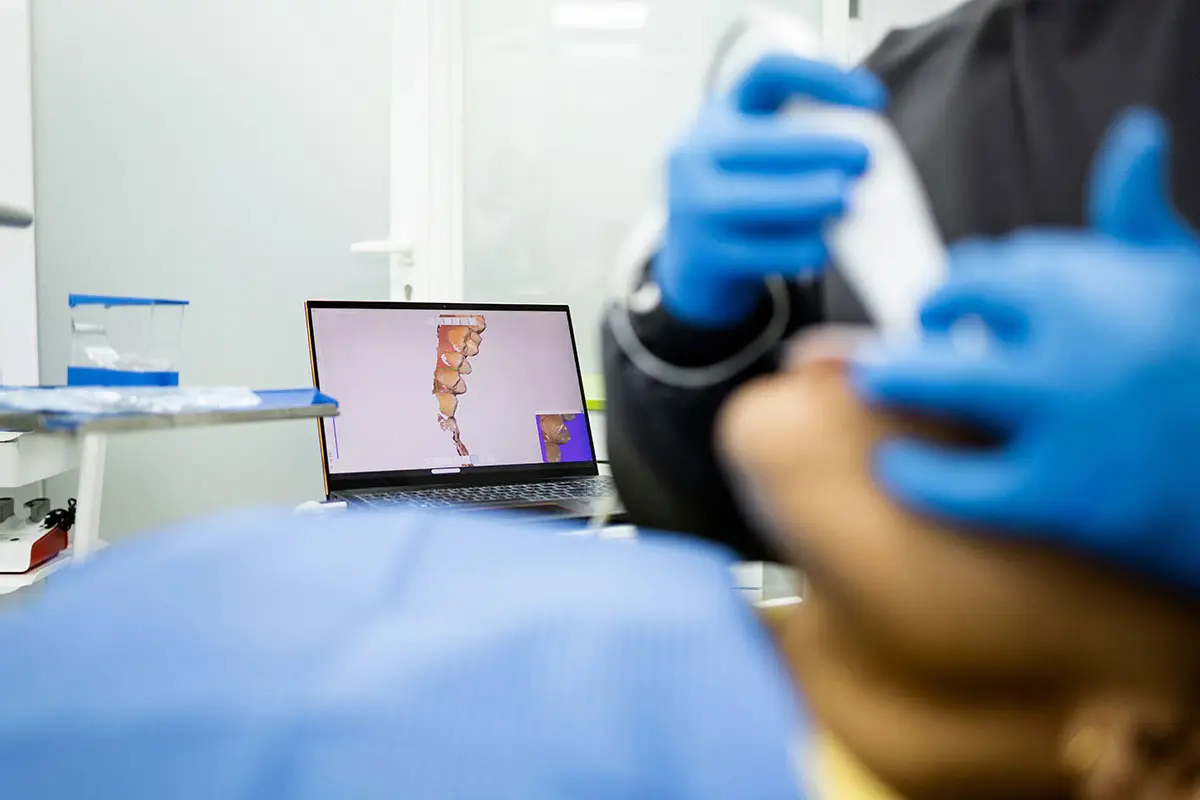

A family dentist helps patients of different ages receive ongoing, personalized dental care in one familiar place. From routine exams and cleanings to restorative and cosmetic treatment, family dentistry supports long-term smile health.
Would dental care feel easier if your whole family had a familiar place to turn for routine visits, urgent concerns, and long-term smile goals? A family dentist can make oral health simpler by providing care for different ages and needs under one roof. At Family Dentistry of Forest Hill, general dentistry services help patients in West Palm Beach protect, restore, and maintain their smiles through many stages of life.
Choosing a family dentist is about more than convenience. It is about building a relationship with a dental team that understands your history, your preferences, and your goals. In addition, a family dentist can help make dental care feel more consistent. When patients know where to go for exams, cleanings, fillings, cosmetic questions, and dental emergencies, it becomes easier to stay on track.
What Does a Family Dentist Do?
A family dentist provides dental care for patients across a wide range of ages. Services often include routine exams, professional cleanings, X-rays, cavity treatment, gum evaluations, tooth-colored fillings, root canal therapy, extractions, crowns, bridges, implants, whitening, veneers, and emergency care. Because needs vary from person to person, family dentistry focuses on personalized care rather than a one-size-fits-all plan.
For children and teens, a family dentist may focus on prevention, brushing habits, diet guidance, cavity monitoring, and confidence during appointments. For adults, the focus may include gum health, restorations, cosmetic goals, tooth replacement, and bite comfort. For older adults, dental care may include dry mouth management, replacement teeth, existing dental work, and maintaining chewing function.
Because the same practice can care for multiple family members, patterns may become easier to identify. For example, several family members may be prone to cavities, gum inflammation, or grinding. A family dentist can notice these trends and offer practical guidance. However, each patient still receives care based on their own mouth and health needs.
Why Familiar Dental Care Can Make Visits Easier
Dental visits can feel stressful for some patients, especially if they have had uncomfortable experiences in the past. A family dentist can help by creating familiarity over time. When patients see the same team regularly, they often feel more comfortable asking questions and sharing concerns. In addition, the dental team learns what helps each patient feel at ease.
For busy families, convenience matters too. Scheduling several family members at the same practice can simplify planning. Records, treatment history, and ongoing recommendations are kept in one place. Therefore, it is easier to follow through with routine care and recommended treatment.
Familiar care can also support better communication. If a child is nervous, a parent can discuss strategies with the team. If an adult is considering cosmetic treatment, the dentist can explain how oral health should be stabilized first. If a senior patient is managing medications or dry mouth, the team can adjust guidance accordingly. This continuity helps care feel more personal.
Benefits of a Family Dentist
- A family dentist can provide care for different ages and stages of life.
- Routine exams and cleanings can be scheduled in one familiar office.
- Long-term records help the dental team monitor changes over time.
- Patients can receive preventive, restorative, cosmetic, and urgent care guidance.
- Families can build trust with a team that understands their needs.
- Personalized education can help each patient improve daily home care.
Another benefit is flexibility. A family dentist can help with routine prevention and also respond when unexpected concerns arise. For example, if a tooth breaks, a filling falls out, or pain develops, patients already have a dental home to call. That familiarity can make an urgent situation feel less overwhelming.
Preventive Care for the Whole Family
Prevention is one of the most important parts of family dentistry. Routine dental cleanings help remove plaque and tartar that brushing and flossing cannot fully remove. Dental exams allow the dentist to check for cavities, gum inflammation, tooth wear, and other concerns. X-rays may be recommended when hidden areas need to be evaluated.
Preventive care also includes education. Children may need help learning how to brush effectively. Teens may need reminders about sports mouthguards, orthodontic hygiene, or sugary drinks. Adults may need strategies for flossing around dental work. Seniors may need guidance for dry mouth, bridges, dentures, or implants. A family dentist can adjust advice based on each patient’s needs.
Preventive visits also create opportunities to build comfort. When patients come in regularly for routine care, the dental office can feel more familiar. This is especially helpful for younger patients because positive dental experiences can support healthier habits as they grow.
Restorative Care When Teeth Need Repair
Even with good prevention, teeth sometimes need repair. Cavities, cracks, old fillings, worn enamel, and infections can happen. A family dentist can diagnose the issue and recommend the most appropriate treatment. For smaller cavities, tooth-colored composite fillings may be recommended. For weakened teeth, crowns, inlays, or onlays may provide added protection. If a tooth is infected, root canal therapy may help save it.
Restorative care is about bringing the tooth back to comfort and function. It is also about preventing the issue from worsening. For example, repairing a cavity early can help preserve more natural tooth structure. Restoring a cracked tooth may reduce the chance of further breakage. Treating an infected tooth can relieve pain and protect surrounding tissues.
When a tooth cannot be saved, a family dentist can discuss extraction and replacement options. Dental implants, bridges, and partial dentures may be considered depending on the patient’s goals and oral health. Having these conversations with a familiar dental team can make decisions feel more manageable.
Cosmetic Options With a Health-First Approach
Many patients also ask their family dentist about improving the appearance of their smile. Cosmetic options may include whitening, bonding, veneers, crowns, or a combination of treatments. However, cosmetic care works best when the teeth and gums are healthy first. A family dentist can evaluate oral health and help patients choose treatments that fit their goals.
For example, teeth whitening may be a great option for stains on natural enamel. Bonding may repair a small chip or uneven edge. Veneers may improve color, shape, and symmetry for selected front teeth. Crowns may improve appearance while also strengthening damaged teeth. Because each option has different uses, personalized planning matters.
A health-first approach helps protect cosmetic results. If gum inflammation, cavities, or bite issues are present, those concerns may need attention before cosmetic treatment begins. This approach supports a smile that looks good and functions well.
How to Choose the Right Family Dentist
Choosing a family dentist should feel thoughtful and practical. Look for a dental office that offers the services your household is likely to need, communicates clearly, and makes patients feel respected. In addition, consider convenience, location, scheduling, technology, and how the team handles urgent concerns.
It is also helpful to choose a dentist who explains options in a way that is easy to understand. Patients should know why treatment is recommended, what alternatives exist, and what to expect before, during, and after care. Clear communication can reduce stress and help families make confident decisions.
At Family Dentistry of Forest Hill, patients can find support for routine care, dental repairs, cosmetic goals, tooth replacement, and emergency needs. This broad approach allows families in West Palm Beach to receive care that grows with them over time.
Questions Patients Often Ask About a Family Dentist
Can a family dentist treat both adults and children?
Yes. A family dentist commonly provides care for patients in different age groups, including children, teens, adults, and seniors, depending on the services offered by the practice.
Is family dentistry only for routine cleanings?
No. Family dentistry can include preventive care, fillings, crowns, root canal therapy, extractions, cosmetic dentistry, tooth replacement, and emergency dental care.
Why should I keep seeing the same family dentist?
Continuity helps your dental team understand your history, monitor changes, personalize recommendations, and make visits feel more familiar over time.
Find a Dental Home That Fits Your Family
A family dentist can help make oral health easier to manage by offering consistent, personalized care for different needs and stages of life. With routine prevention, restorative support, cosmetic guidance, and urgent care when needed, your family can feel more confident about maintaining healthy smiles.
Ready to visit a family dentist in West Palm Beach? Contact Us at Family Dentistry of Forest Hill or Call Us Today at (561) 585-5891 to Schedule a Consultation.