What happens when a tooth is too damaged for a simple filling but still worth saving? For many patients, porcelain crowns offer a practical way to restore strength, shape, and appearance without removing the natural tooth. A porcelain crown covers the visible part of a tooth like a protective cap, helping it function more comfortably while blending with the rest of your smile.
At Family Dentistry of Forest Hill, patients in West Palm Beach often ask about porcelain crowns when they have cracked teeth, large fillings, worn enamel, or teeth that have been weakened by decay. In addition, porcelain crowns may be recommended after root canal therapy or as part of a dental bridge. Because a crown can restore both function and appearance, it is one of the most versatile treatments in restorative and cosmetic dentistry.
What Is a Porcelain Crown?
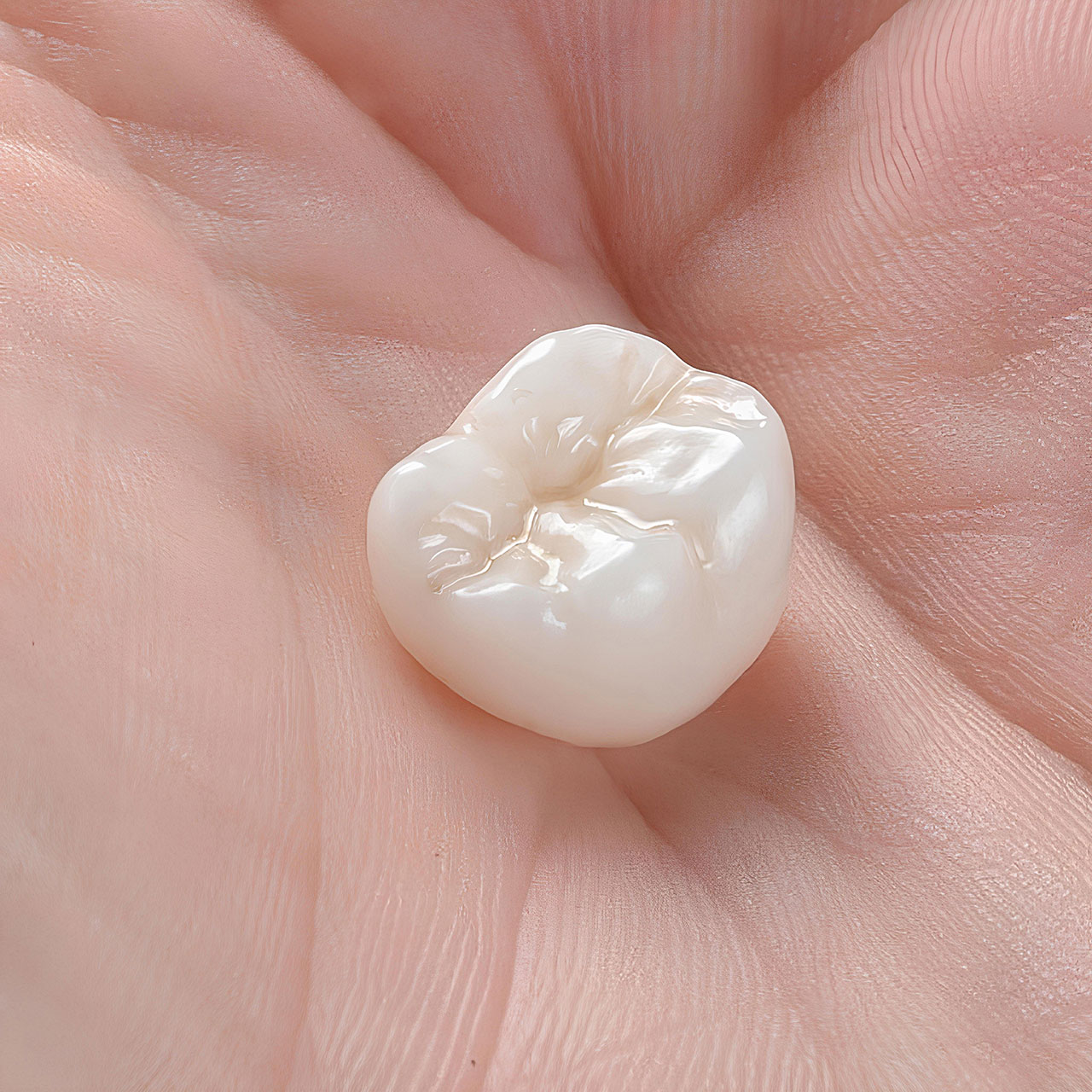
A porcelain crown is a custom-made restoration that fits over a prepared tooth. It is designed to protect the tooth underneath while restoring a natural shape and bite. Unlike a filling, which repairs only part of a tooth, a crown surrounds the tooth structure above the gumline. Therefore, porcelain crowns are often used when a tooth needs more coverage and support than a smaller restoration can provide.
Porcelain is often selected because it can be shaded to match nearby teeth. As a result, porcelain crowns can look natural in visible areas of the smile. In addition, modern porcelain materials are designed to handle normal biting and chewing forces when properly planned. Your dentist will consider the tooth location, bite pressure, smile goals, and amount of remaining tooth structure before recommending the best type of crown.
Although porcelain crowns are durable, they still require thoughtful care. A crown protects the visible tooth, but the gumline and underlying tooth still need daily cleaning. Because of that, regular brushing, flossing, and dental visits remain important after treatment.
When a Tooth May Need a Crown
Porcelain crowns can be recommended for several reasons. A tooth with a large cavity may need a crown if there is not enough healthy structure to support a filling. Similarly, a tooth with an old, oversized filling may become weaker over time and need full coverage. If a tooth is cracked, a crown may help hold the tooth together and reduce the risk of further damage.
In addition, porcelain crowns are commonly used after root canal therapy. After the infected or inflamed tissue inside a tooth is removed, the tooth may need added protection. A crown can restore the tooth’s strength and help it function normally again. Crowns are also used with dental bridges, where they anchor a replacement tooth in place.
Cosmetic concerns may also lead to a crown recommendation. For example, a tooth that is severely discolored, misshapen, or worn may be improved with a crown when veneers or bonding are not the best fit. However, the goal is always to choose the most conservative treatment that can predictably meet the patient’s needs.
How Porcelain Crowns Can Improve Everyday Comfort
A damaged tooth can make everyday choices more difficult. You may avoid chewing on one side, worry about a tooth breaking, or feel discomfort when biting into certain foods. A porcelain crown can help restore confidence by strengthening the tooth and improving the way it meets the opposing teeth. In addition, a well-shaped crown can smooth rough edges and protect weakened areas.
- Porcelain crowns can strengthen teeth with large fillings or cracks.
- They can restore a tooth after root canal therapy.
- They can improve tooth shape, color, and alignment in selected cases.
- They can help support a dental bridge for tooth replacement.
- They can make chewing feel more stable and comfortable.
Another advantage is natural appearance. Since porcelain crowns are custom shaded, they can blend with surrounding teeth rather than standing out. This is especially helpful for teeth that show when you smile or speak. Therefore, porcelain crowns can support both dental health and personal confidence.
What to Expect During the Crown Process
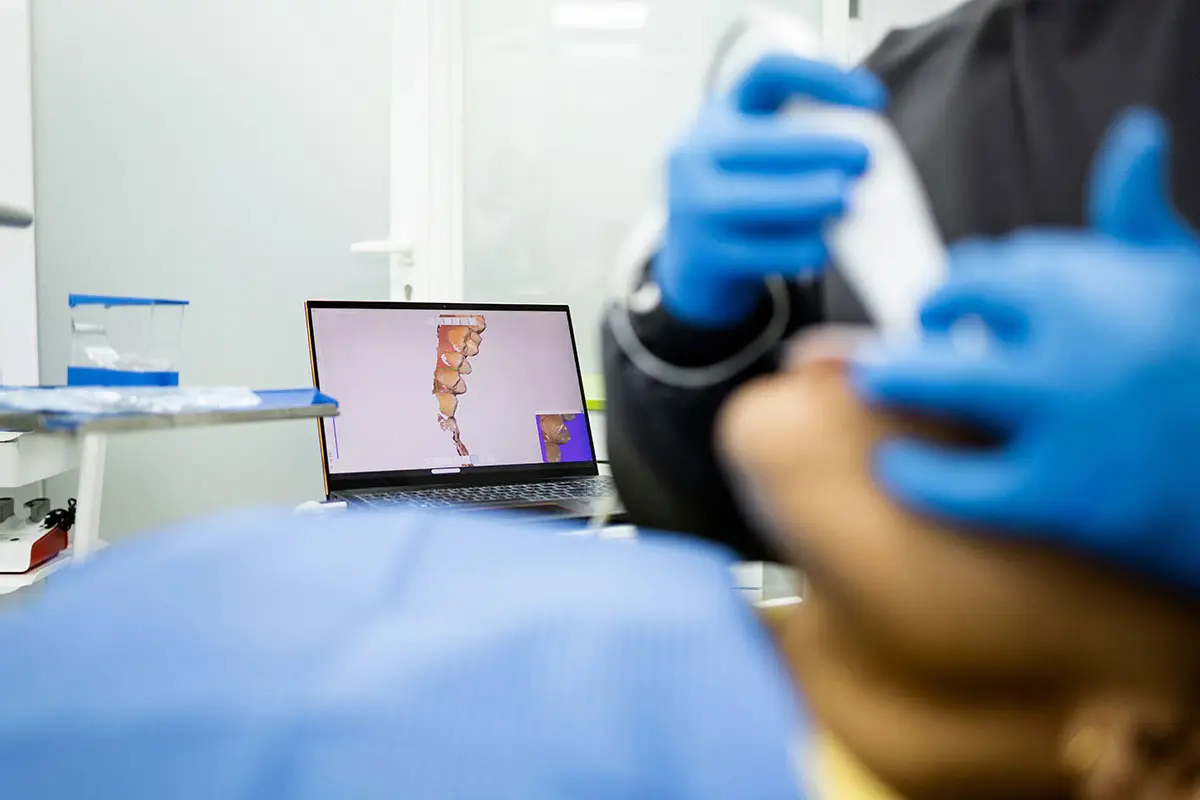
The porcelain crown process usually begins with an exam and digital imaging. Your dentist evaluates the tooth, checks the bite, and confirms whether a crown is the right solution. If treatment is recommended, the tooth is gently prepared so the crown can fit securely and naturally. Then, an impression or digital scan is taken to guide the design of the final restoration.
In many cases, a temporary crown is placed while the custom porcelain crown is being made. This temporary crown protects the tooth and helps you continue daily activities. However, it is not as strong as the final crown, so you may be advised to avoid sticky or very hard foods during this stage. In addition, you should clean the area carefully and follow any instructions provided by your dental team.
When the final crown is ready, your dentist checks its fit, bite, and appearance. Adjustments may be made before the crown is bonded in place. Once complete, the tooth should feel stable and comfortable. If your bite feels uneven after leaving the office, it is important to call, because a small adjustment can often improve comfort.
How to Care for a Porcelain Crown
Porcelain crowns are made to be strong, but they still need proper care. Brush twice daily, floss once daily, and pay special attention to the gumline around the crown. While the porcelain itself cannot get a cavity, the natural tooth at the edge of the crown can still be affected by decay. Therefore, daily plaque removal is essential.
It is also wise to avoid chewing ice, biting fingernails, or using your teeth to open packages. These habits can damage crowns and natural teeth. If you clench or grind at night, your dentist may recommend a nightguard. This can help protect your crown from excess force and may also reduce jaw tension.
Routine dental visits allow your dentist to check the crown’s margins, bite, and overall condition. In addition, professional cleanings help keep the surrounding gums healthy. With consistent care, porcelain crowns can serve patients well for many years.
Porcelain Crowns and Smile Design
Although porcelain crowns are often restorative, they can also play a role in cosmetic treatment. If a visible tooth is worn, dark, uneven, or heavily restored, a crown can improve its appearance while adding strength. However, cosmetic planning matters. A crown should not only match tooth color, it should also match the shape, size, and character of nearby teeth.
During planning, your dentist may discuss shade preferences, tooth proportions, gumline balance, and how the crown will look when you smile. In addition, the dental team may compare porcelain crowns with other options such as bonding or veneers. This helps ensure that the final recommendation fits your goals and protects your oral health.
A natural-looking result should feel comfortable and believable. Therefore, porcelain crowns are designed with both beauty and function in mind. The best crown is one that looks good, feels good, and helps you use your smile with confidence.
Questions Patients Often Ask About Porcelain Crowns
How long does a porcelain crown last?
The lifespan of a porcelain crown depends on oral hygiene, bite pressure, diet, habits, and routine dental care. With proper maintenance, many crowns last for years before needing replacement.
Will a porcelain crown look like my natural tooth?
Yes, porcelain crowns are custom shaded and shaped to blend with nearby teeth. Your dentist will consider color, size, contour, and bite so the crown looks natural.
Is getting a porcelain crown painful?
The tooth is typically numbed during preparation, and patient comfort is a priority throughout the visit. Some mild sensitivity can happen afterward, but it is usually temporary.
Protect Your Tooth With a Custom Plan
Porcelain crowns can be a strong, natural-looking way to repair damaged teeth, protect weakened structure, and restore everyday comfort. Whether you have a cracked tooth, a large filling, or a tooth that needs support after root canal therapy, a consultation can help you understand your best options.
Ready to learn whether porcelain crowns are right for your smile? Contact Us at Family Dentistry of Forest Hill in West Palm Beach or Call Us Today at (561) 781-7268 to Schedule a Consultation.