Have you ever wondered how some smiles look brighter, smoother, and more balanced without looking artificial? For many patients, veneers offer a way to improve several smile details at once. Veneers are thin restorations that are placed on the front surfaces of selected teeth to enhance color, shape, length, and symmetry. When they are carefully planned, veneers can create a natural looking result that still feels like your smile.
At Family Dentistry of Forest Hill, patients often ask whether veneers are right for chips, stains, small gaps, uneven teeth, or worn edges. The answer depends on your oral health, your goals, and the condition of your enamel. Because veneers are custom designed, they can be subtle or more transformative. In addition, they can be part of a larger cosmetic dentistry plan when patients want a coordinated smile update.
What Are Veneers?
Veneers are thin shells, commonly made from porcelain or tooth colored composite material, that cover the visible front of a tooth. Porcelain veneers are known for their strength, smooth surface, and ability to reflect light in a way that resembles natural enamel. Composite veneers or bonding can also improve the appearance of teeth, although they may have different maintenance needs and lifespans.
The purpose of veneers is to improve the appearance of teeth that are healthy enough to support them. They can address discoloration that does not respond well to whitening, small chips, minor spacing, uneven tooth size, and worn edges. However, veneers are not meant to treat active gum disease, deep decay, severe bite problems, or teeth that need major structural repair. Therefore, an exam is important before making a cosmetic decision.
Many patients like veneers because they can change multiple details together. Instead of treating color, shape, and spacing separately, veneers can create a unified result. Still, the best outcome depends on careful planning. Your dentist must consider how the veneers will fit your bite, how they will meet the gums, and how they will blend with neighboring teeth.
What Veneers Can Change
Veneers are versatile because they can improve several visible concerns at once. For example, if teeth are deeply stained from aging, medication, past trauma, or older dental work, veneers may provide a more predictable color improvement than whitening alone. If teeth are slightly uneven or short, veneers can create better proportions. If there are small spaces between teeth, veneers may close the gaps without orthodontic treatment in selected cases.
In addition, veneers can help create a smoother smile line. The smile line is the curve formed by the edges of the upper teeth. When some teeth appear shorter, longer, chipped, or uneven, the smile may look less balanced. Veneers can help refine those edges so the smile looks more consistent. However, they should still look natural. A great veneer result does not erase personality. Instead, it enhances the features that already belong to you.
Veneers can also be used in combination with teeth whitening. In many cases, patients whiten their natural teeth first, then choose veneer shades that blend with the brighter smile. This is helpful when only some front teeth need veneers and the surrounding natural teeth remain visible.
What Patients Often Appreciate About Veneers
The appeal of veneers comes from their ability to create a polished, confident smile while preserving a natural appearance. Because porcelain resists many common stains better than natural enamel, veneers can help maintain a bright look with proper care. In addition, they are custom shaped, which allows the dentist to design a smile that fits the patient’s face, lips, and preferences.
- Veneers can improve color, shape, size, and symmetry together.
- They can cover stains that may not respond well to whitening.
- They can repair the look of small chips or worn edges.
- They can create a more balanced smile while still looking natural.
- They can be customized to match your desired level of brightness.
Another benefit is confidence in everyday moments. Patients may feel more comfortable smiling in photos, speaking in meetings, or enjoying social events. However, veneers should never be presented as something you need to feel good about yourself. Instead, they are an option for patients who already know what they want to refine and would like professional guidance.
The Veneers Consultation Process
A veneers consultation begins with a conversation about your goals. Your dentist may ask what you like about your smile, what you want to change, and how natural or noticeable you want the result to be. In addition, photos, X-rays, and a bite evaluation may be used to understand your teeth and smile dynamics. This planning helps determine whether veneers are the right solution.
Your dentist will also check for cavities, gum inflammation, enamel concerns, and bite problems. If gum health needs improvement, a cleaning or periodontal care may be recommended before veneer treatment. If teeth are crowded or the bite is causing heavy pressure, orthodontic treatment or a nightguard may be discussed. Although this may seem like extra planning, it helps protect the final result.
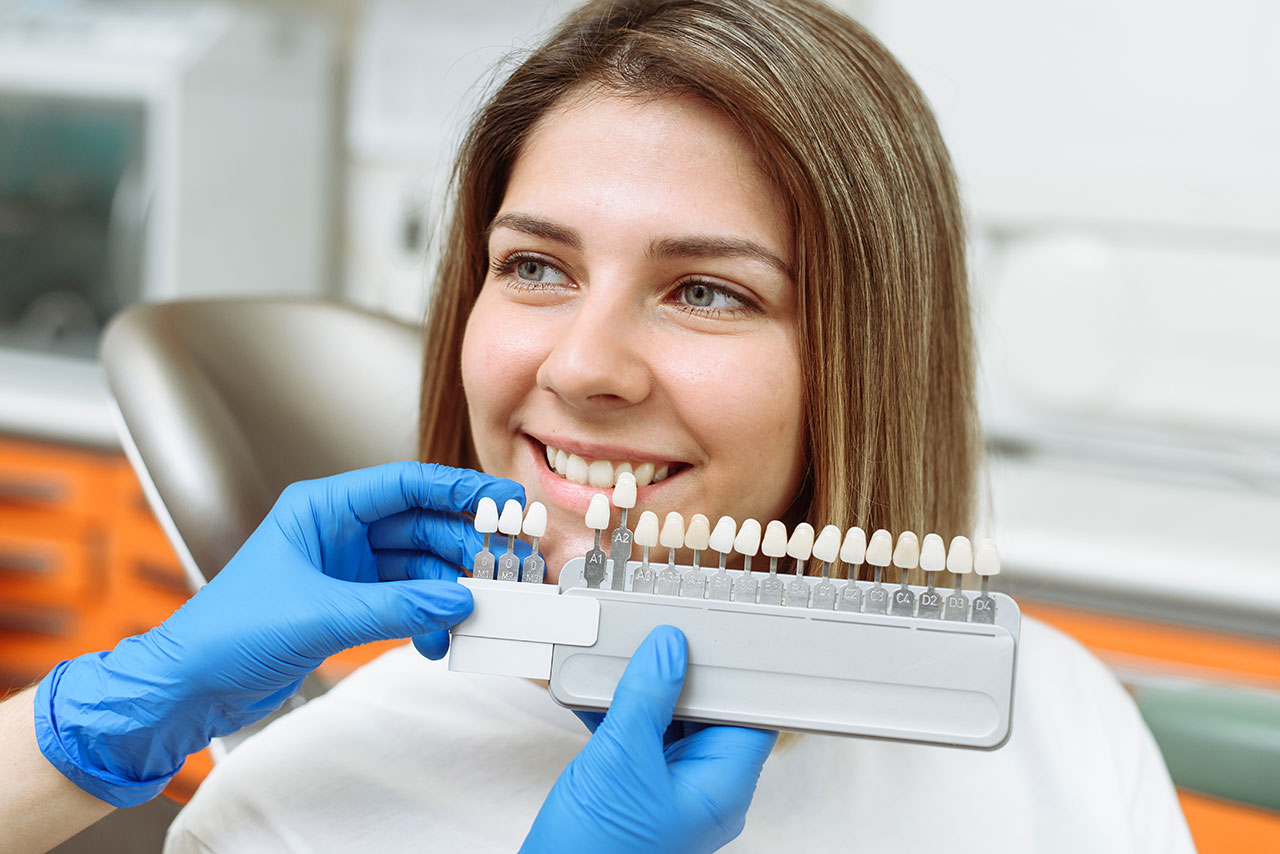
During the consultation, it is helpful to ask about material choices, number of veneers, shade selection, tooth preparation, temporary veneers, maintenance, and cost. In addition, ask how the final shape will be chosen. Some patients prefer rounded edges and a softer look, while others prefer a more defined design. Your preferences should guide the plan.
What to Expect During Veneer Treatment
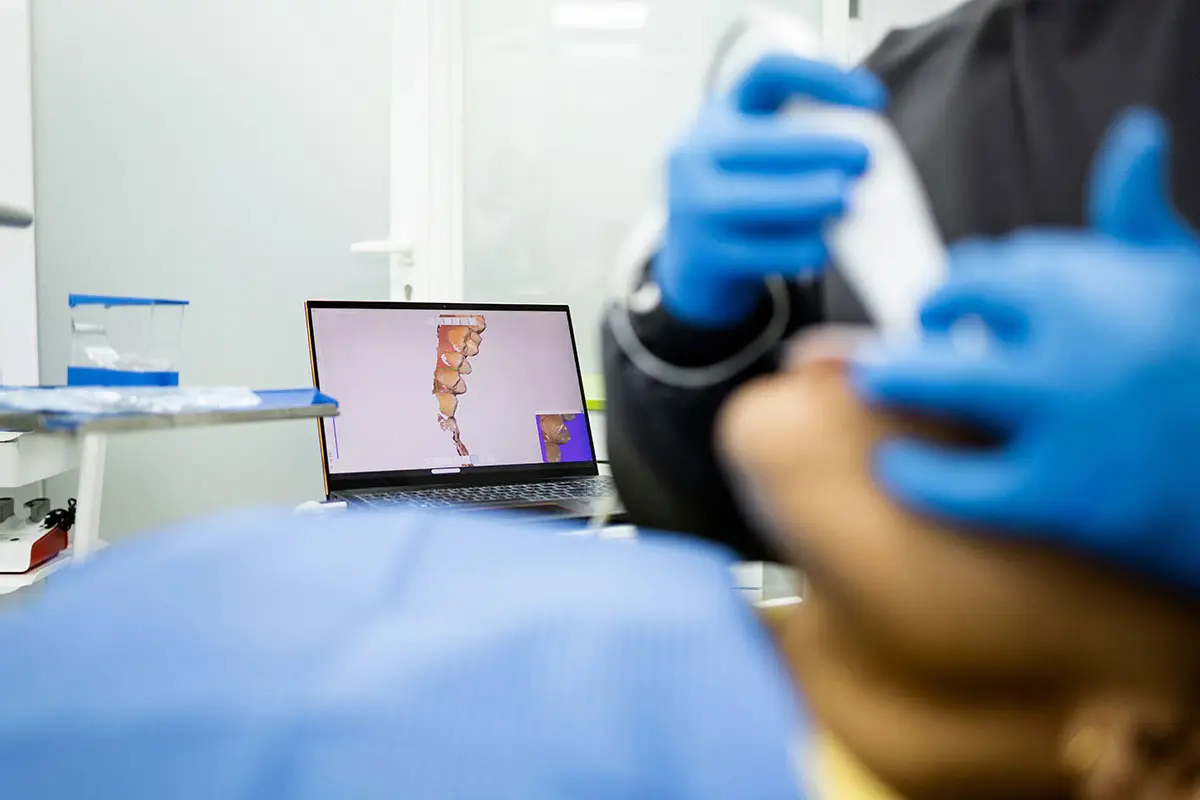
The veneer process varies based on the material and the patient’s needs. For porcelain veneers, the dentist may gently prepare the front surface of the teeth so the veneers can fit naturally without looking bulky. Then, impressions or digital scans are taken and sent to a dental lab. Temporary veneers may be placed while the final restorations are made. Once the custom veneers are ready, your dentist checks the fit, shape, and color before bonding them in place.
Composite veneers or cosmetic bonding may be completed differently. In some cases, tooth colored resin is shaped directly onto the tooth and polished in one visit. This can be a more conservative option for small changes. However, composite may stain or wear faster than porcelain. Therefore, material selection should be based on your goals, budget, and maintenance expectations.
After veneers are placed, your bite may be checked and adjusted if needed. Your dentist will also explain how to care for them. Most patients return to normal daily routines quickly, although it may take a short time to get used to the feel of the new tooth shape.
How to Care for Veneers
Veneers require consistent oral hygiene and smart habits. Brush twice daily with a non abrasive toothpaste, floss every day, and keep routine dental visits. Although veneers cover the front of teeth, the natural tooth structure and gums still need care. Plaque can collect around the margins, so careful cleaning is essential.
It is also important to avoid using veneers as tools. Do not open packages with your teeth, bite fingernails, chew ice, or crunch hard objects. These habits can chip natural teeth and veneers. If you grind or clench, your dentist may recommend a nightguard to protect the restorations while you sleep. In addition, if you drink coffee, tea, or red wine often, regular cleanings can help maintain the overall brightness of your smile.
Veneers are durable, but they are not indestructible. With proper care, they can serve patients well for many years. Eventually, they may need repair or replacement, just like other dental restorations. Routine dental visits help monitor their condition and protect the teeth underneath.
Are Veneers Right for Everyone?
Veneers can be an excellent option for many patients, but they are not right for every smile. If teeth have large cavities, severe cracks, or major structural damage, crowns may be more appropriate. If teeth are significantly misaligned, orthodontic treatment may create a better foundation. If staining is mild, whitening may accomplish the goal with less treatment. Therefore, a good cosmetic consultation should include alternatives.
Patients should also understand that porcelain veneers are usually a long term commitment because some enamel may be adjusted during preparation. This does not mean veneers are a bad choice. It simply means the decision should be made thoughtfully. Your dentist can explain how much preparation is needed and whether minimal preparation options are possible.
In addition, patients who want veneers should have realistic expectations. Veneers can greatly improve the appearance of selected teeth, but they must still work with your bite, gums, and facial features. The goal is a smile that looks beautiful, comfortable, and believable.
Questions Patients Often Ask About Veneers
Do veneers stain?
Porcelain veneers resist many stains better than natural enamel, but the surrounding teeth can still discolor. Therefore, regular cleanings and thoughtful habits help maintain an even smile.
How many veneers do I need?
The number depends on how many teeth show when you smile and what you want to change. Some patients need only one or two veneers, while others choose several for a balanced result.
Can veneers fix crooked teeth?
Veneers can improve the appearance of minor unevenness in selected cases. However, more significant alignment concerns may be better treated with orthodontics before cosmetic work.
Create a Smile Plan With Confidence
Veneers can be a thoughtful way to refine tooth color, shape, spacing, and symmetry while keeping the result natural. The most successful veneer plans begin with healthy teeth and gums, clear communication, and a design that fits your face and goals. If you are considering veneers in West Palm Beach, a consultation can help you understand what is possible and what approach is best for your smile.
Ready to learn whether veneers are right for you? Contact Us at Family Dentistry of Forest Hill in West Palm Beach or Call Us Today at (561) 781-7268 to Schedule a Consultation.