
Have you noticed that your smile looks a little less bright than it used to, even though you brush every day? Tooth color can change gradually because of coffee, tea, red wine, tobacco, aging, certain foods, and everyday enamel changes. For patients who want a refreshed look, teeth whitening can be a simple and popular way to brighten the smile with professional guidance.
At Family Dentistry of Forest Hill, teeth whitening in West Palm Beach starts with understanding your goals and your oral health. Some patients want a subtle lift in brightness. Others want a more noticeable change before a wedding, reunion, interview, or photo session. However, whitening works best when it is planned carefully. In addition, a dental exam can help confirm whether stains are likely to respond to whitening or whether another cosmetic option may be more predictable.
Why Teeth Become Stained Over Time
Tooth discoloration can happen for several reasons. External stains collect on the surface of the enamel from foods, drinks, and habits. Coffee, tea, berries, tomato sauces, curries, and red wine can all contribute to staining. In addition, tobacco products can leave stubborn discoloration. Surface stains are often the easiest to improve with dental cleanings and whitening treatment.
Internal discoloration can be more complex. Sometimes teeth darken because of aging, trauma, certain medications, old dental work, or changes inside the tooth. In these situations, teeth whitening may still help, but the results can vary. Therefore, professional evaluation is helpful before investing in treatment.
It is also important to know that crowns, fillings, veneers, and bonding do not whiten like natural enamel. If you have visible dental restorations, your dentist can explain how whitening may affect the overall look of your smile. In some cases, patients whiten their natural teeth first, then update older restorations to match the new shade.
Professional Teeth Whitening vs Store-Bought Products
Many patients try whitening toothpastes, strips, rinses, or online products before calling a dentist. These options may help with mild surface stains, but they are not always the best fit for every smile. Store-bought products may also create uneven results if teeth have existing restorations, deep stains, or areas of sensitivity. In addition, some products can irritate the gums if they are not used correctly.
Professional teeth whitening gives patients a more guided experience. Your dental team can check for cavities, gum inflammation, enamel wear, and exposed roots before treatment. This matters because whitening unhealthy or sensitive teeth can lead to discomfort. In addition, your dentist can help choose a whitening approach that fits your goals and current smile condition.
Professional guidance also helps with expectations. Whitening is not meant to create the same shade for every patient. Instead, the goal is a brighter result that still looks natural. Because each person’s enamel responds differently, your dentist can explain what kind of improvement is realistic.
How Teeth Whitening Can Refresh Your Smile
Teeth whitening can be appealing because it is conservative, straightforward, and focused on enhancing natural enamel. It does not reshape teeth or cover them with restorations. Instead, it lifts discoloration so the smile appears cleaner and brighter. For many patients, this makes teeth whitening a first step in cosmetic dentistry.
- Teeth whitening can brighten many common stains from foods and drinks.
- It can refresh the smile without changing tooth shape.
- It may be a good first step before veneers, bonding, or crowns.
- Professional guidance can reduce the risk of avoidable sensitivity.
- It can help patients feel more confident in photos and daily conversations.
Another benefit is flexibility. Some patients choose whitening as a standalone treatment, while others include it in a larger cosmetic plan. For example, whitening may be completed before dental bonding so the bonding shade can be matched to the brighter teeth. In addition, whitening may be discussed before veneers if only some visible teeth will receive restorations.
Who Is a Good Candidate for Teeth Whitening?
A good candidate for teeth whitening usually has healthy teeth and gums, realistic expectations, and staining that is likely to respond to whitening gel. However, the best way to know is through an exam. If you have untreated cavities, gum disease, broken teeth, exposed roots, or significant sensitivity, your dentist may recommend addressing those concerns first.
Teeth whitening may not be ideal for every type of discoloration. For example, a single dark tooth caused by trauma may need a different treatment. Deep gray or brown discoloration may not lighten as much as yellow-toned stains. In addition, patients with many visible crowns, fillings, or veneers may need a customized cosmetic plan rather than whitening alone.
Still, many patients are good candidates. If your teeth are generally healthy and you want a brighter smile, teeth whitening may be a practical option. During the consultation, your dentist can also discuss timing, sensitivity concerns, and maintenance.
What to Expect During the Whitening Process
The exact process depends on the type of whitening recommended. In general, your dental team will start by evaluating your smile and documenting the current shade. A cleaning may be recommended first if plaque or tartar buildup is present. This helps whitening work more evenly because the gel can contact clean enamel more effectively.
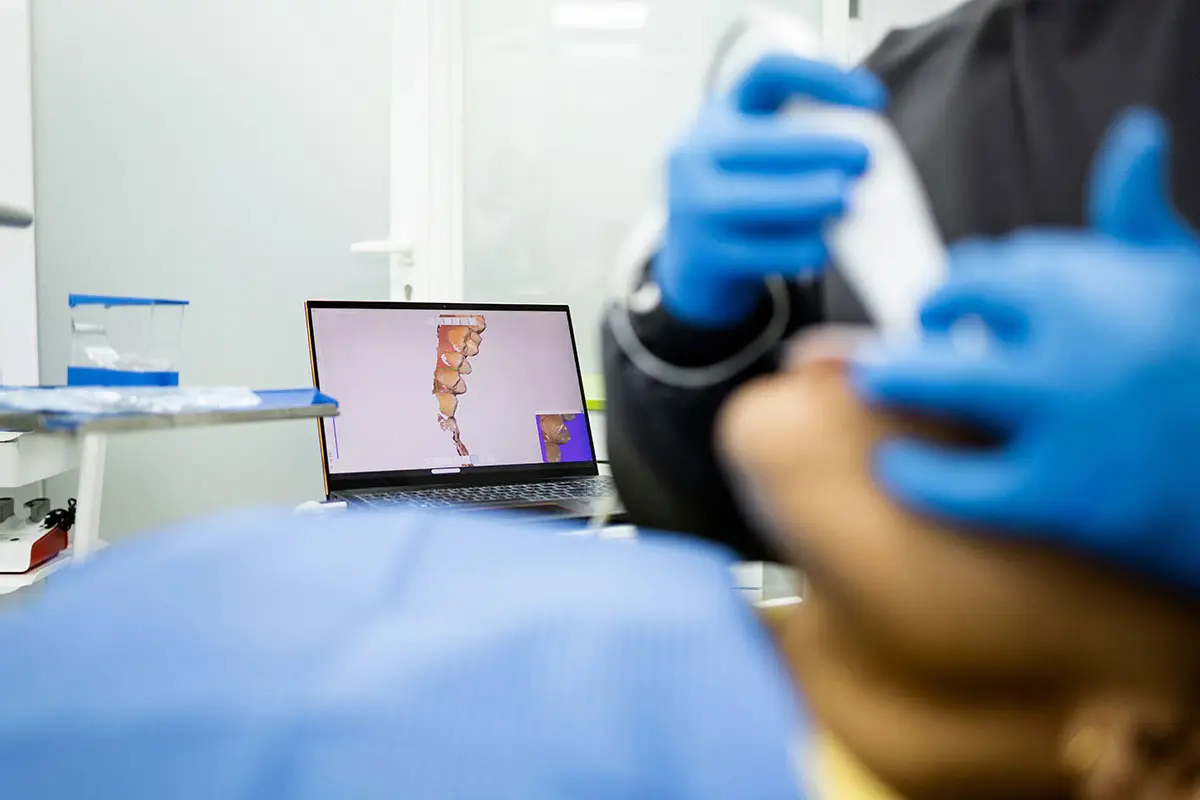
Some whitening plans are completed in office, while others involve custom trays for at-home use. With custom trays, impressions or scans are used to create trays that fit your teeth closely. This helps keep whitening gel in the right place and may reduce gum contact. Your dentist will explain how much gel to use, how long to wear the trays, and how often to repeat the process.
During whitening, mild temporary sensitivity can happen. If you already have sensitive teeth, tell your dental team before starting. They may recommend adjustments, such as a lower strength gel, shorter wear times, or sensitivity products. Because professional teeth whitening is supervised, concerns can be managed more thoughtfully.
How to Maintain Whitening Results
After teeth whitening, your results can last longer with consistent habits. Brush twice a day, floss daily, and keep regular dental cleanings. In addition, rinse with water after drinking coffee, tea, or red wine. Using a straw for certain beverages may also reduce contact with front teeth. However, you do not need to avoid every favorite food or drink. The goal is balance and smart maintenance.
Touch-up whitening may be recommended from time to time. The frequency depends on your diet, habits, enamel, and preferred shade. Patients who drink staining beverages daily may want touch-ups more often than patients who rarely consume them. In addition, tobacco use can make stains return more quickly.
It is also important to avoid over-whitening. More whitening is not always better. Overuse of whitening products can increase sensitivity and make teeth appear less natural. Therefore, following your dentist’s instructions can help protect comfort and results.
How Teeth Whitening Fits Into Cosmetic Dentistry
Teeth whitening is often one part of a larger smile conversation. If the main concern is color, whitening may be enough. However, if the teeth also have chips, uneven edges, gaps, or older restorations, your dentist may discuss additional options. For example, cosmetic dentistry may include bonding, veneers, crowns, or a combined plan.
In many cases, whitening is completed first because it establishes a brighter baseline shade. Then, restorations can be matched more accurately. This order is especially important because porcelain and composite materials do not lighten after they are placed. Planning ahead helps create a more even final result.
A thoughtful cosmetic plan should never feel rushed. Your dentist can explain what whitening can accomplish, what it cannot change, and whether another option may be better for your goals.
Questions Patients Often Ask About Teeth Whitening
Is teeth whitening safe?
Teeth whitening is generally considered safe for appropriate candidates when used as directed. A dental exam helps confirm that your teeth and gums are healthy enough for whitening.
Will whitening make my teeth sensitive?
Some patients experience temporary sensitivity. However, professional guidance can help reduce discomfort through customized instructions, shorter wear times, or sensitivity products.
How white will my teeth get?
Results vary based on enamel, stain type, age, habits, and starting shade. Your dentist can help you set a realistic goal that looks bright and natural.
Brighten Your Smile With a Plan That Fits
Teeth whitening can be a simple way to refresh your smile, especially when treatment is guided by a dental team that understands your goals. With the right evaluation, clear expectations, and smart maintenance, you can enjoy a brighter smile that still looks natural.
Ready to explore teeth whitening in West Palm Beach? Contact Us at Family Dentistry of Forest Hill or Call Us Today at (561) 781-7268 to Schedule a Consultation.